 Hotels
 Camps
Camps Farmhouses
 Tours
Tours Services
North India Temple Tour
Haridwar, Rishikesh, Agra, Vrindavan, Varanasi 9 days, 8 nights
Best Price
Guaranteed
24/7 Customer
Support
4.5 Star
Google review
17+ Years of
Travel Experience
Pay Online Using
Credit card and upi
- Description
- Itinerary
- Reviews
-
North India Temple Tour
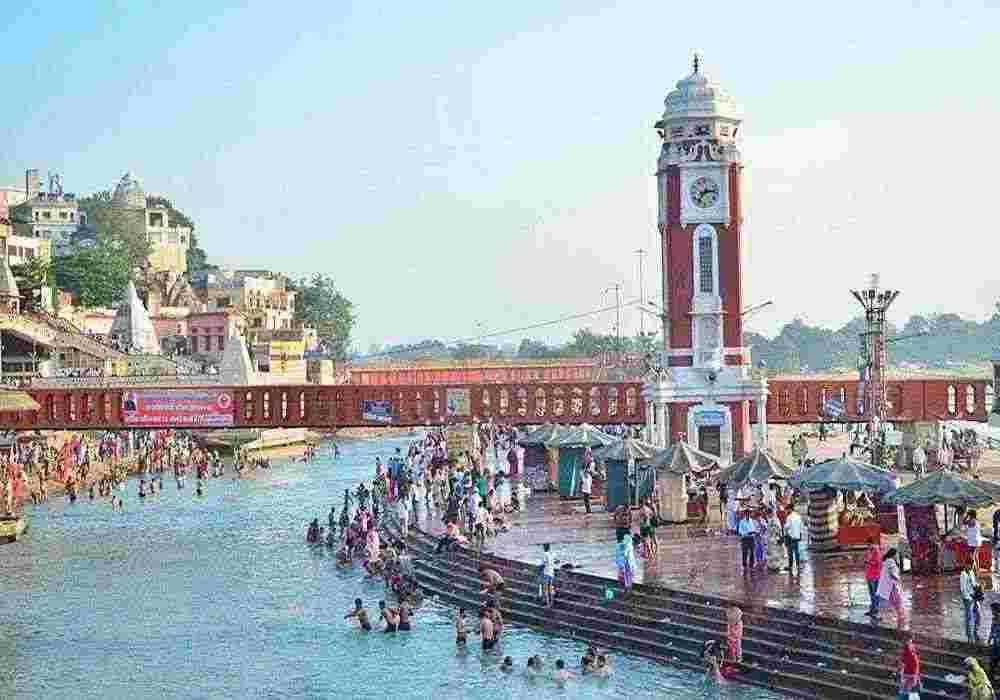
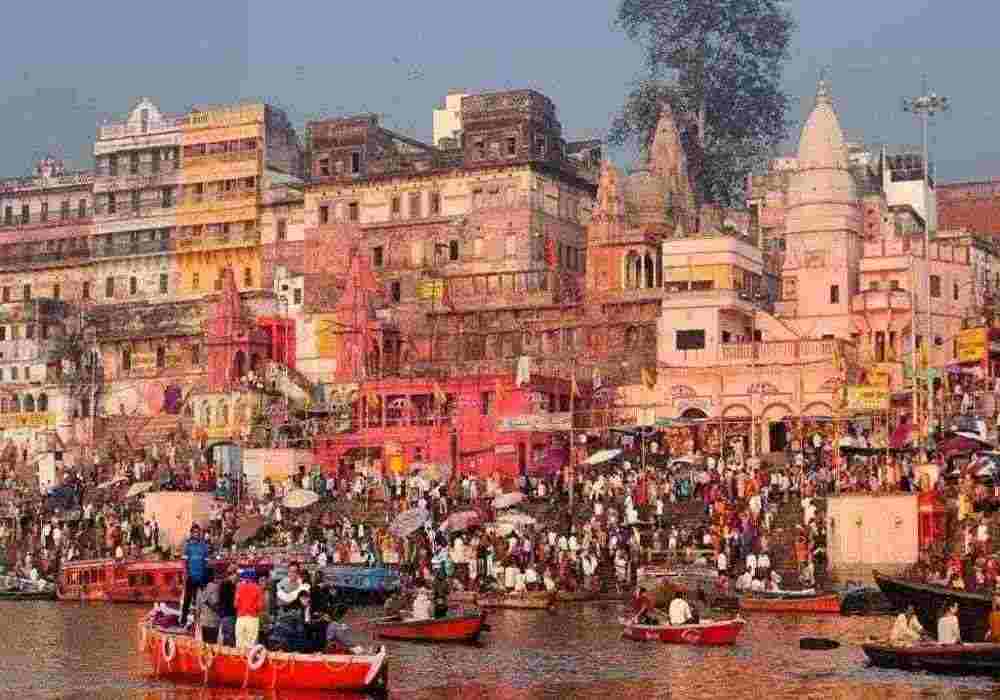
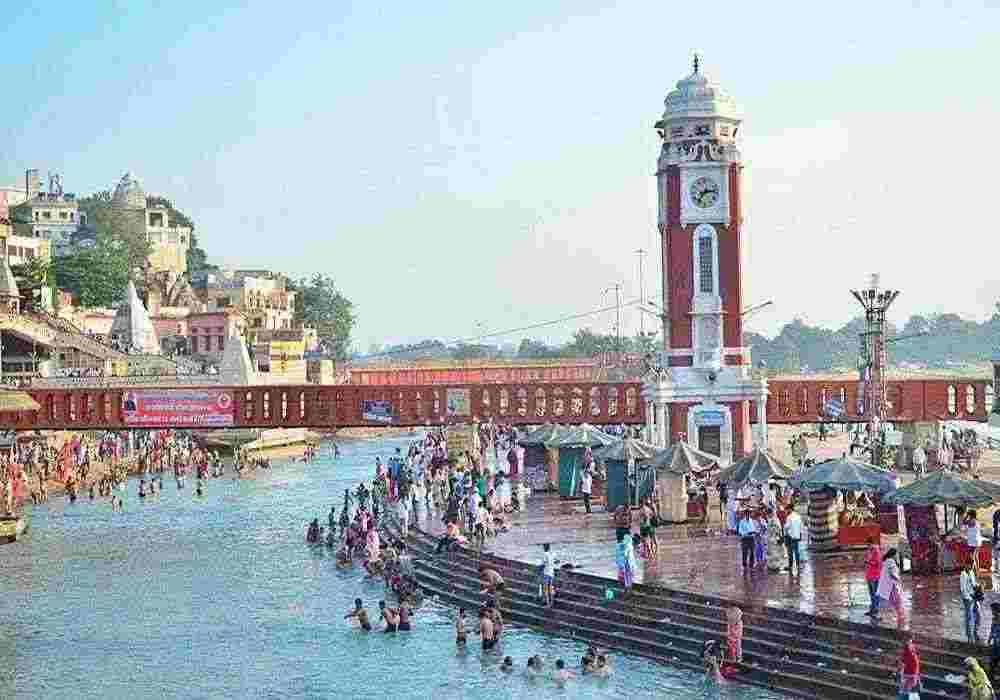
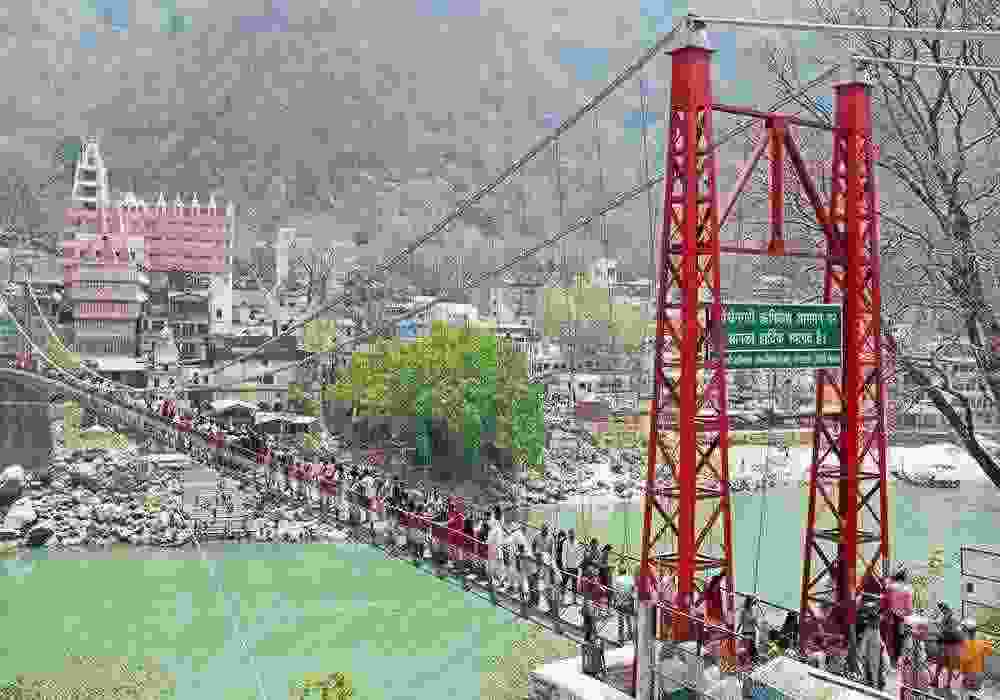
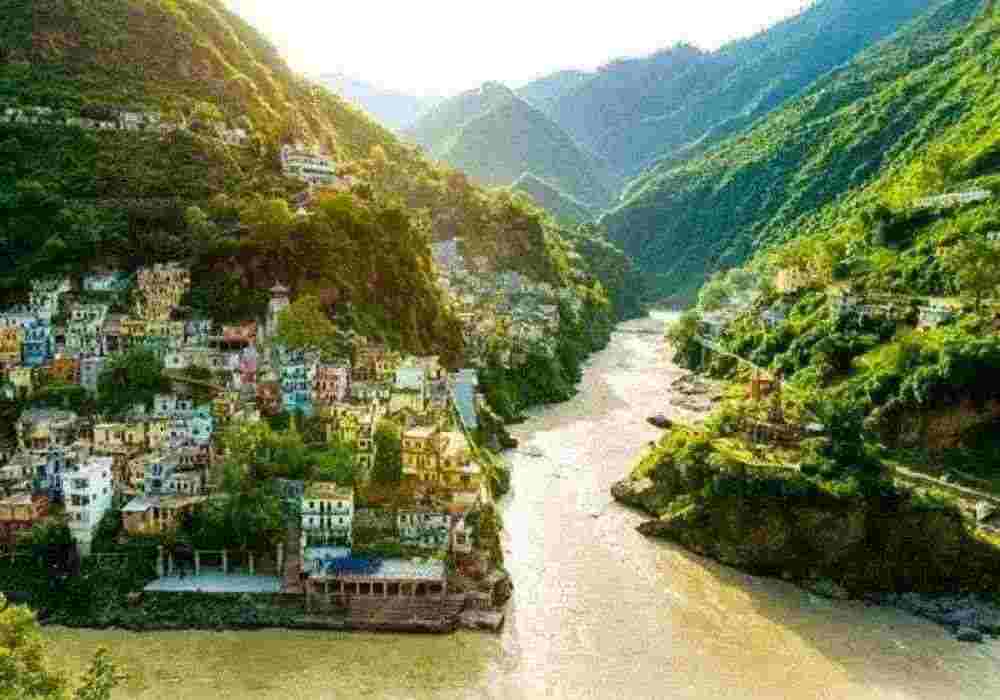
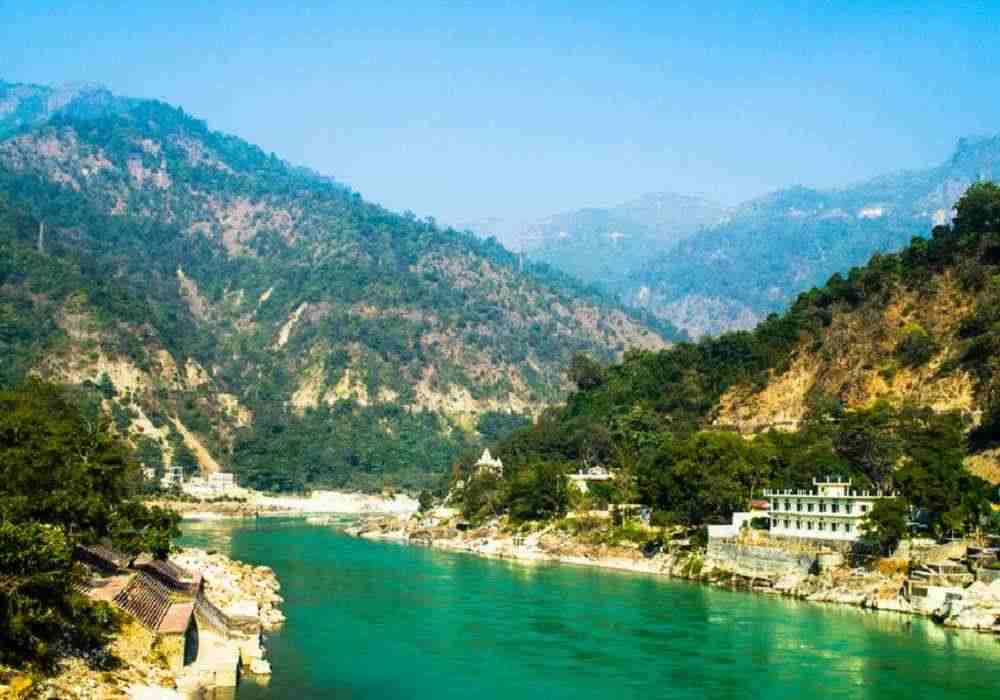
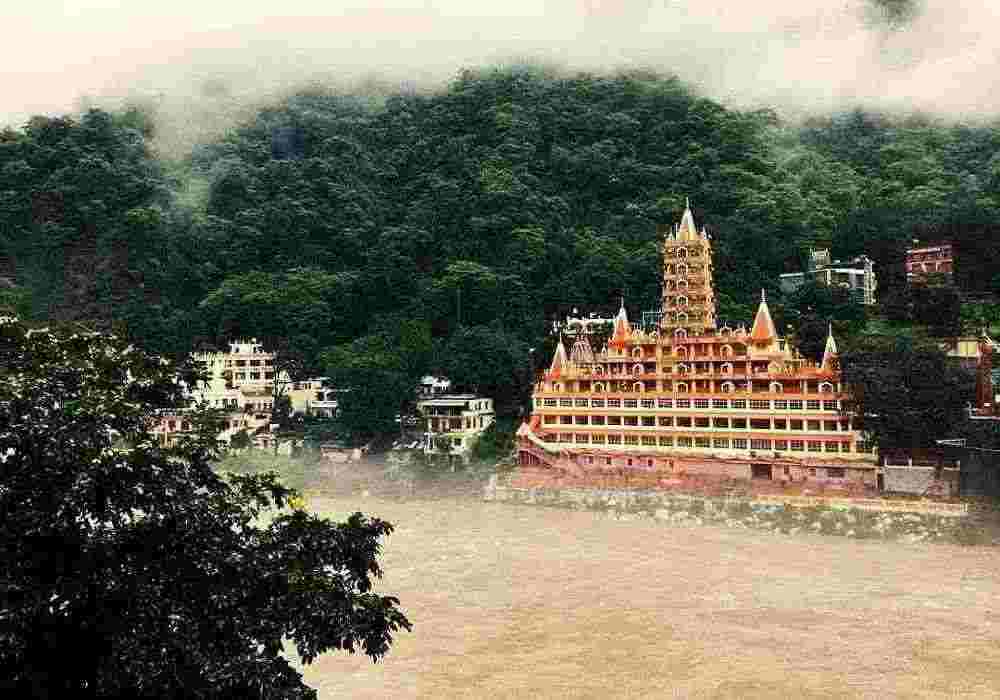
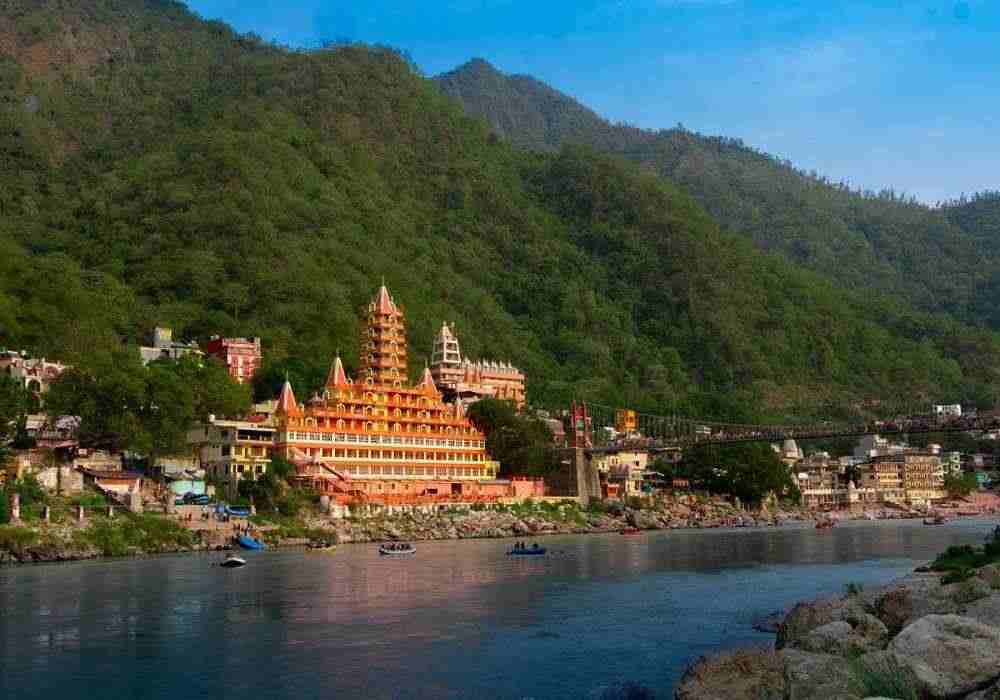
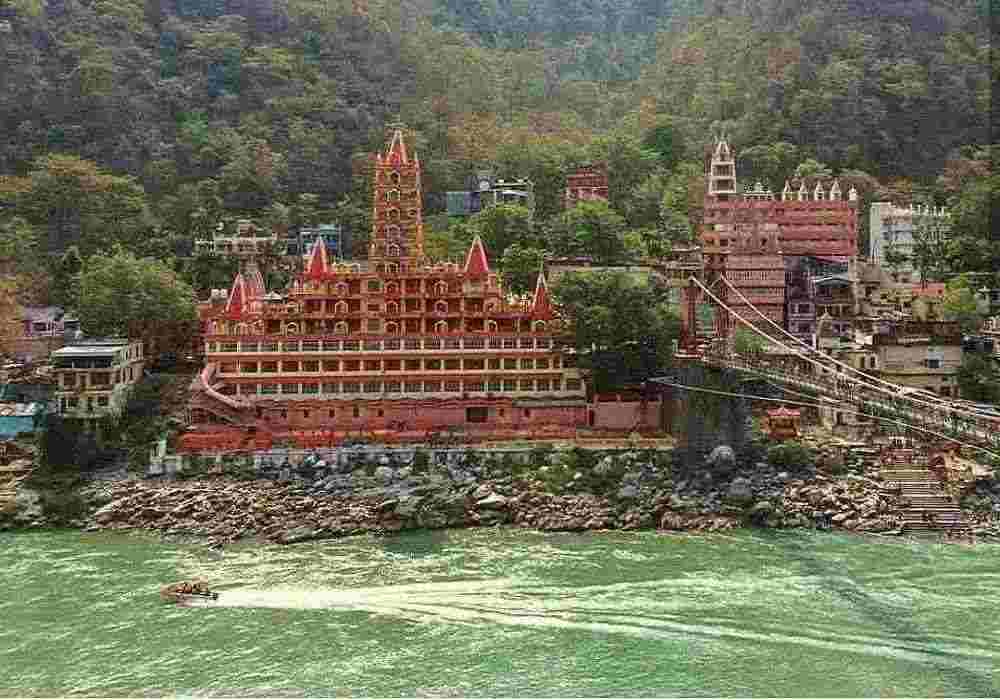
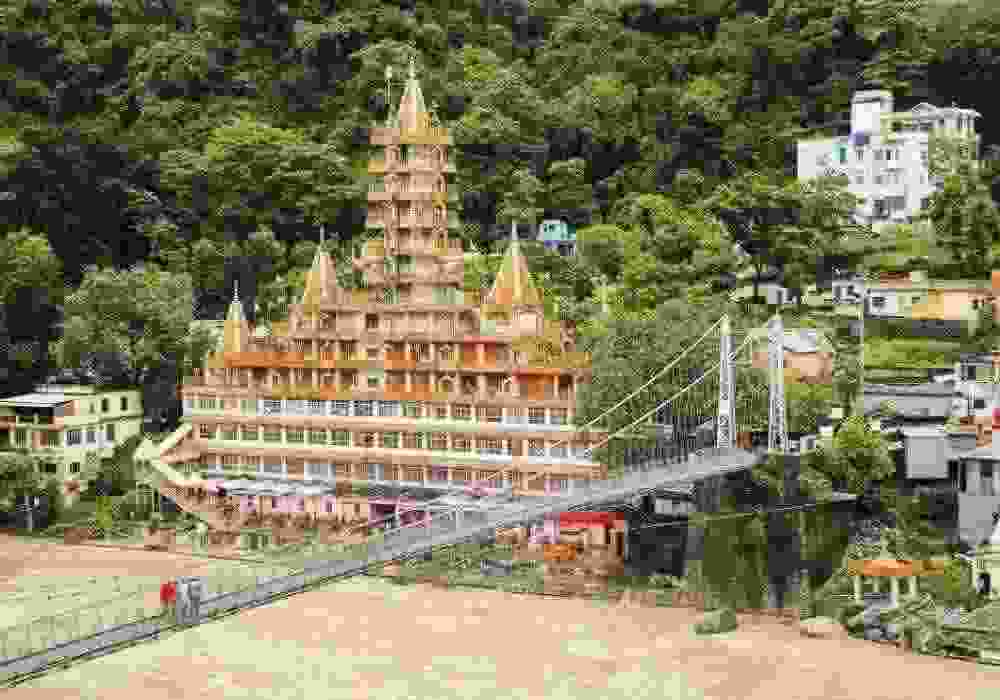
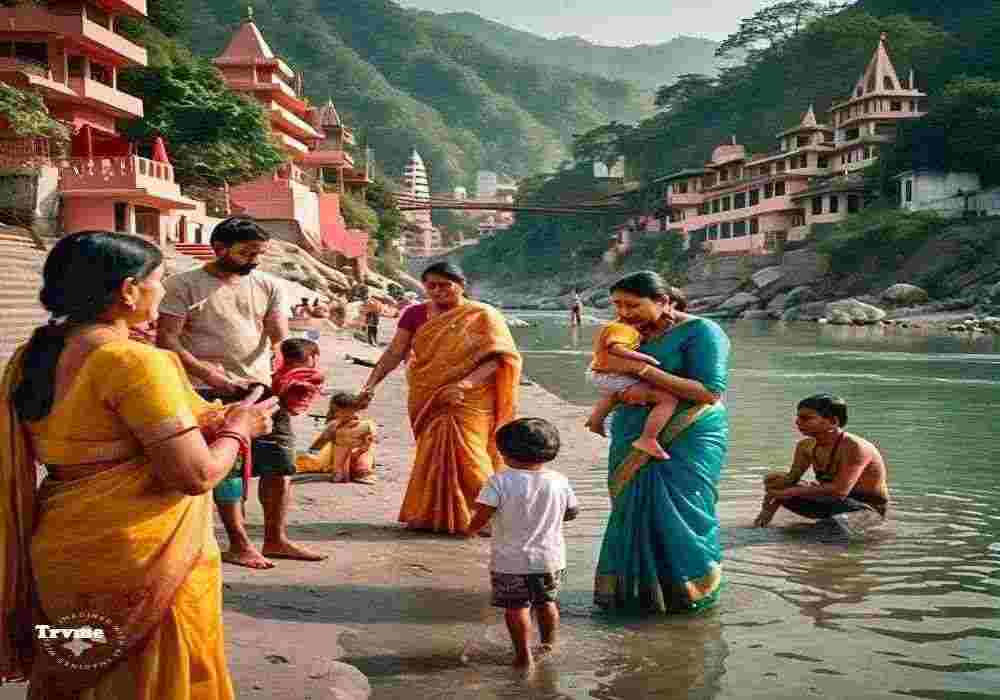
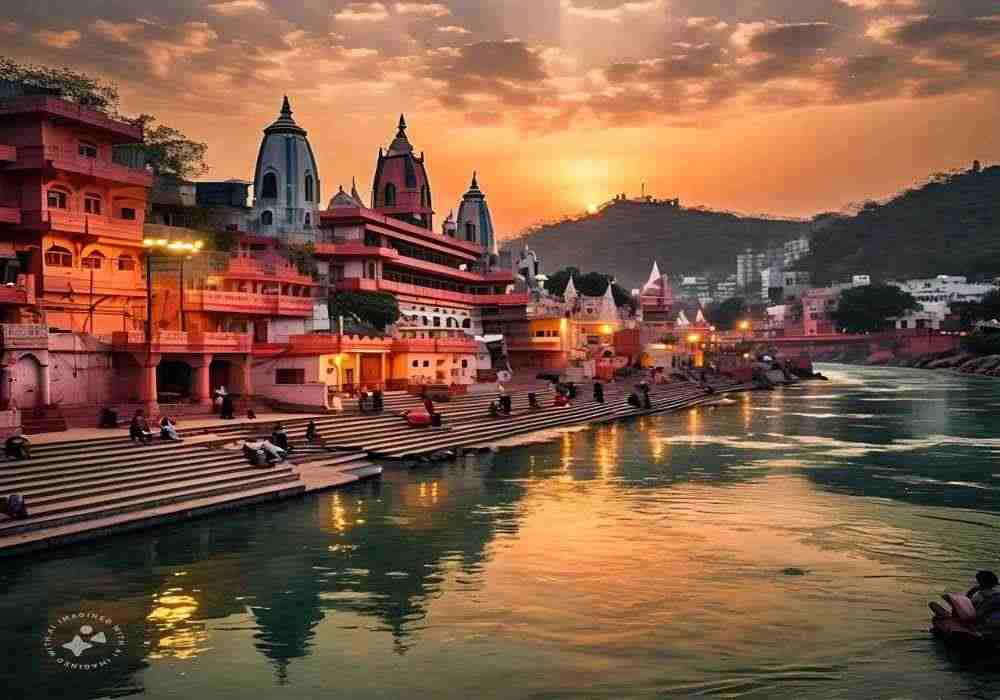
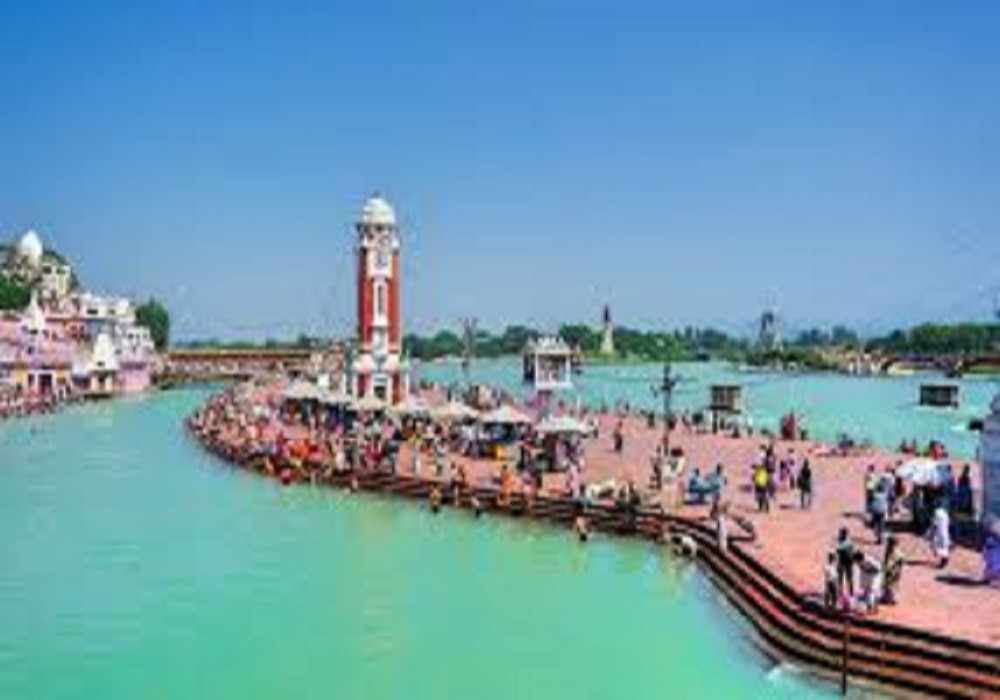
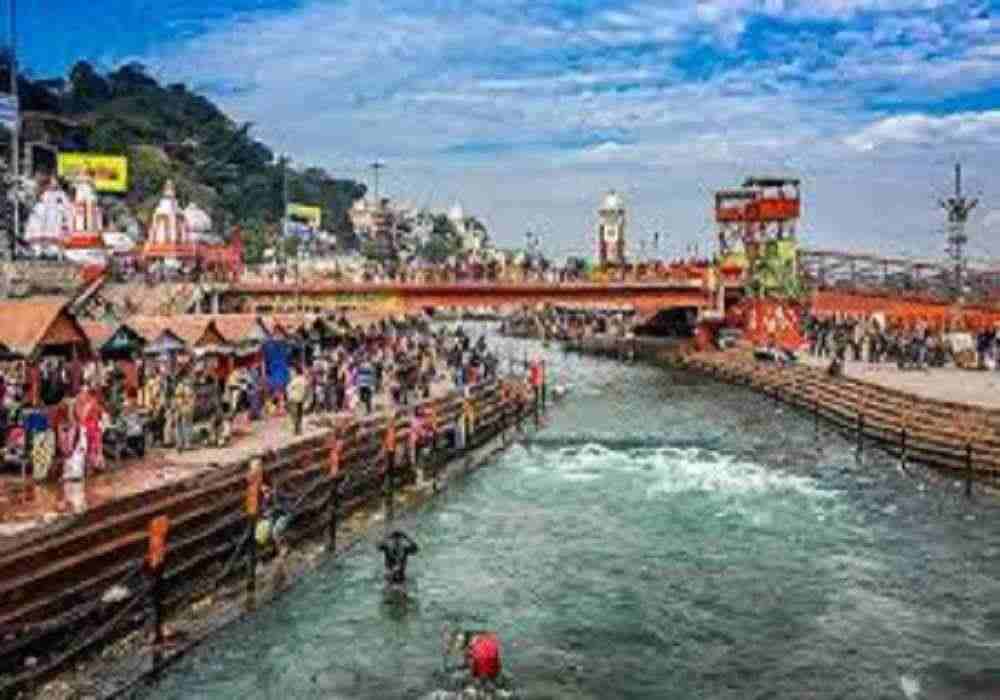
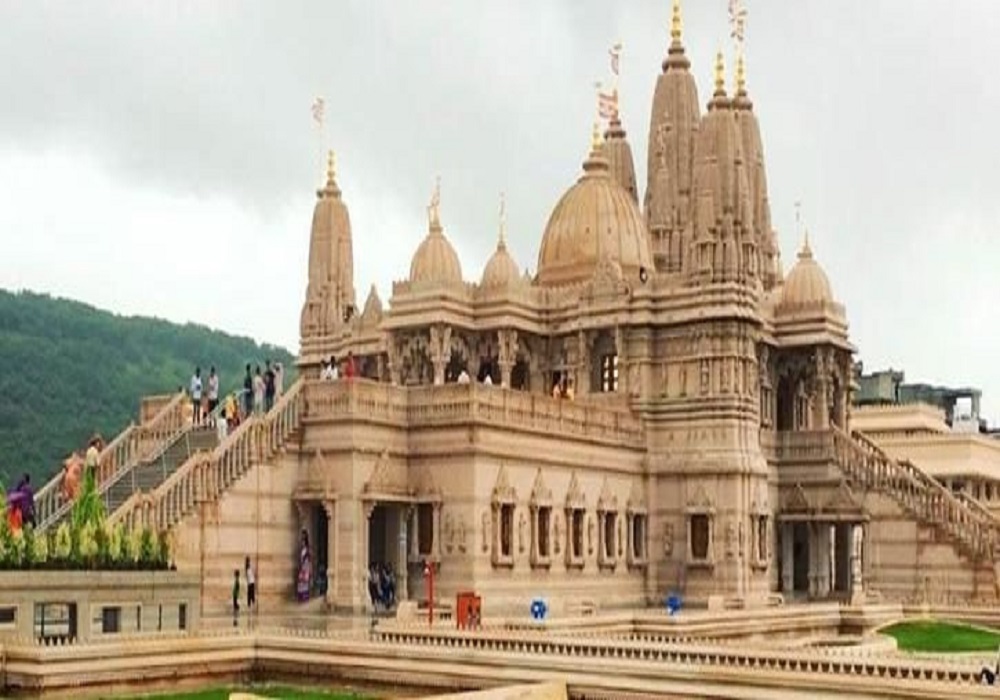
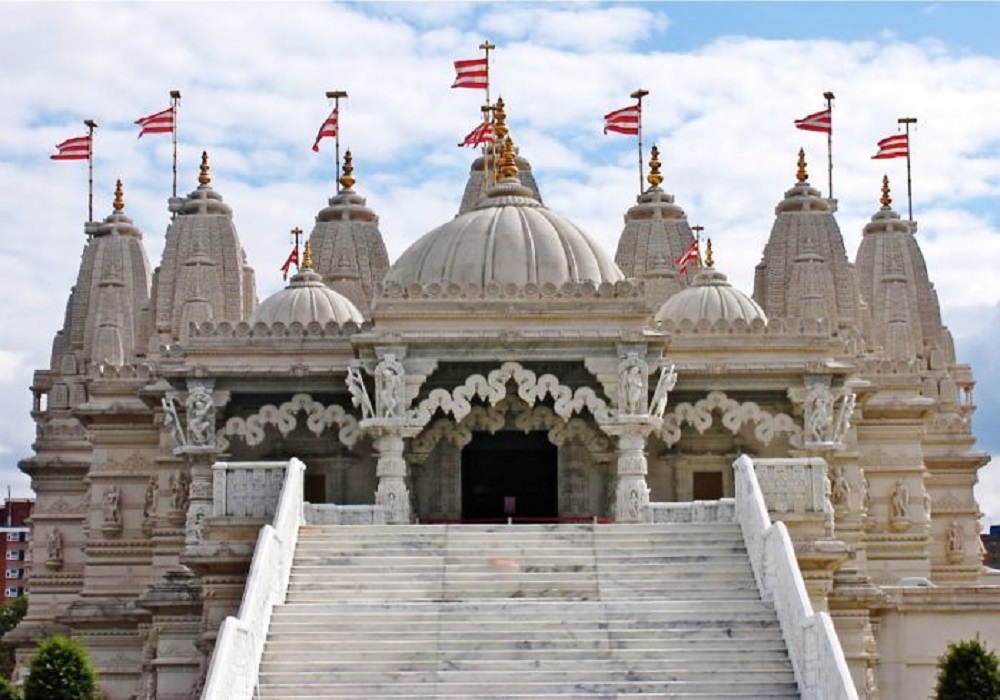
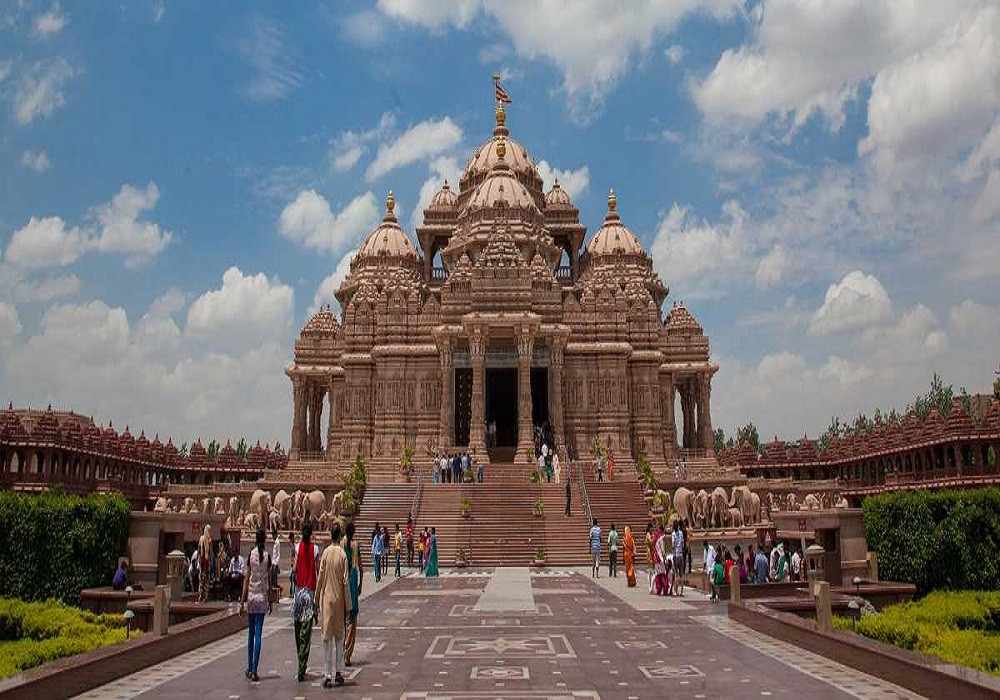
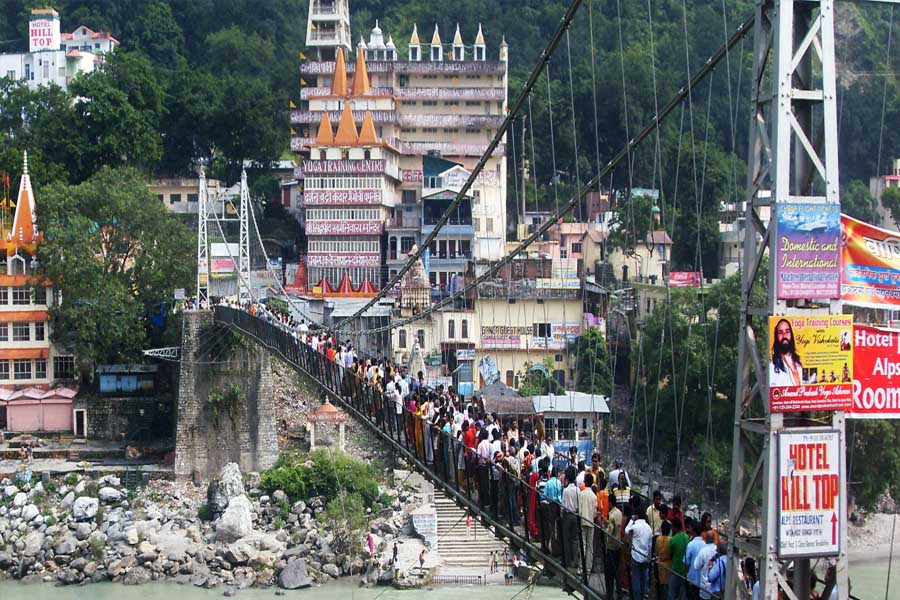
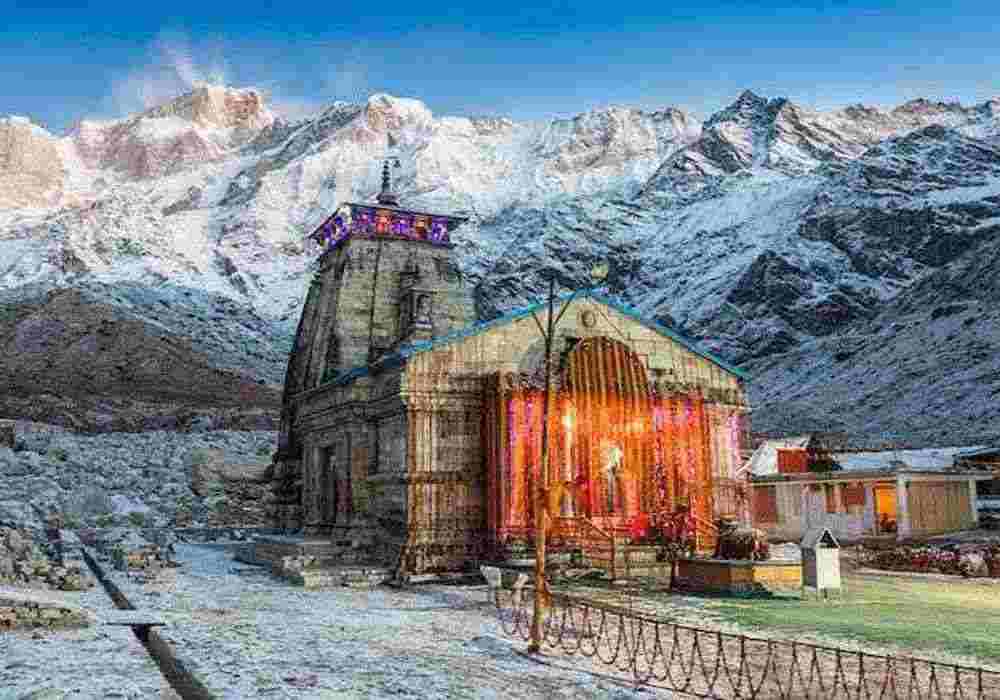
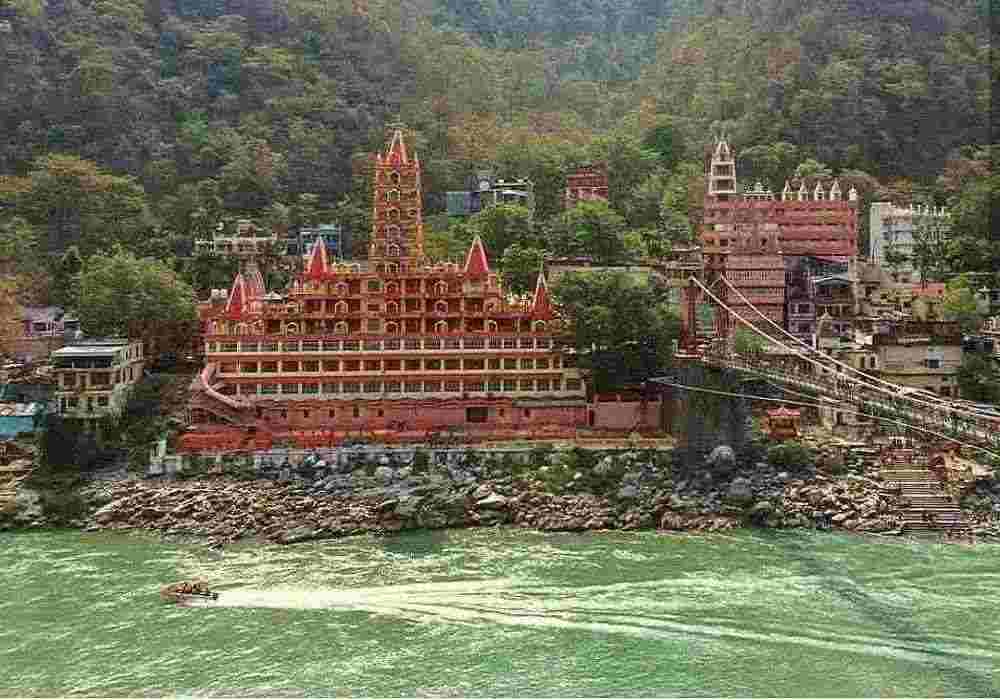
India stands as a diverse land, woven with the threads of myriad religions and adorned with countless pilgrimage sites. Among these sacred destinations, the temples of North India emerge as majestic symbols of human civilization, capturing the hearts of devotees and seekers alike. For centuries, these temples have drawn individuals in pursuit of truth, mental peace, and happiness, providing a sanctuary where solace is found. Embarking on the North India temple tour becomes a spiritual odyssey, a journey that transcends the material world to embrace the divine. The sacred pilgrimage begins with a visit to the ancient temples of Haridwar, where the sacred Ganges River flows, carrying with it the essence of centuries-old rituals and spirituality. Rishikesh, nestled in the lap of the Himalayas, offers a serene retreat for introspection and connection with the higher self. Vrindavan, the city of temples dedicated to Lord Krishna, unfolds its mystical charm, inviting pilgrims to bask in the aura of devotion and divine love. Varanasi, the spiritual heart of India, beckons with its ghats along the Ganges, where ancient rituals and prayers blend seamlessly with the river's eternal flow. As the journey unfolds, the tour extends beyond the realm of temples, inviting exploration of the enchanting monuments of Agra, home to the iconic Taj Mahal, and Delhi, the vibrant capital echoing with tales of bygone eras. This North India temple tour is not merely a physical expedition; it is a pilgrimage of the soul. It is an opportunity to witness the grandeur of architectural marvels, immerse oneself in the spiritual ambiance, and discover the profound tranquility that resides within the sacred spaces of Haridwar, Rishikesh, Vrindavan, and Varanasi. In every step, the echoes of devotion and the whispers of ancient wisdom guide the traveler towards a deeper connection with the divine.
Package Exclusions
-
-
Day 1
-
Day 2
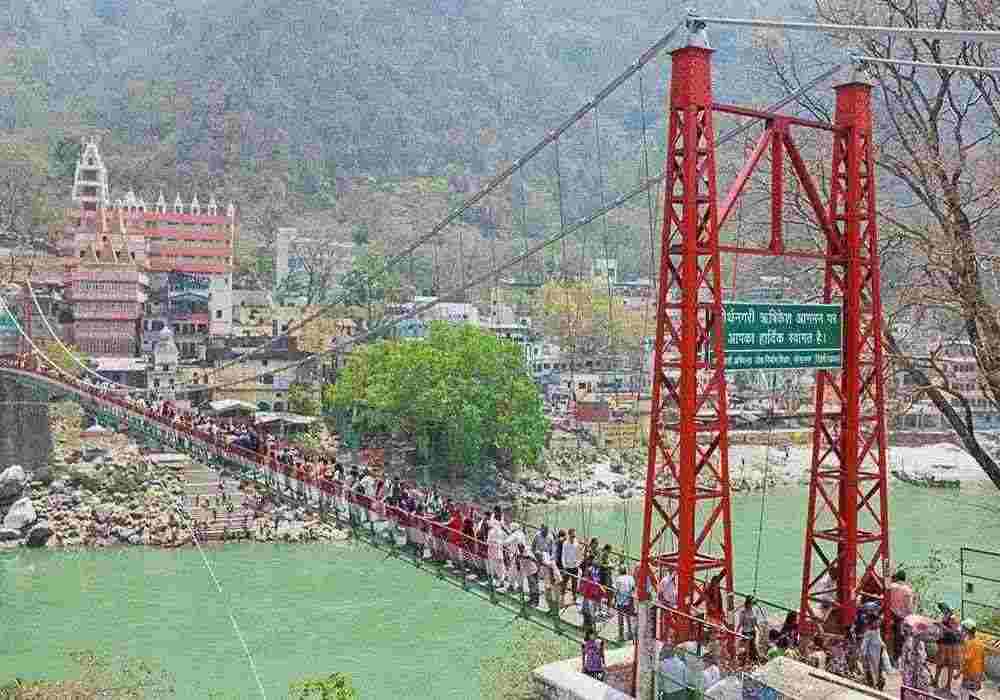
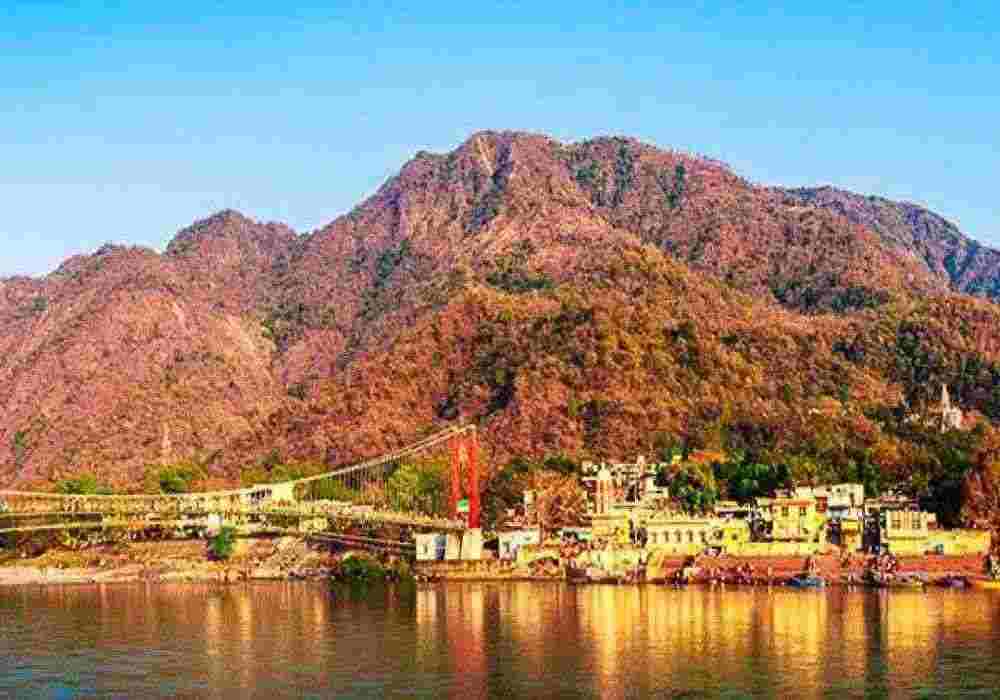
Journey from Haridwar to Rishikesh begins.
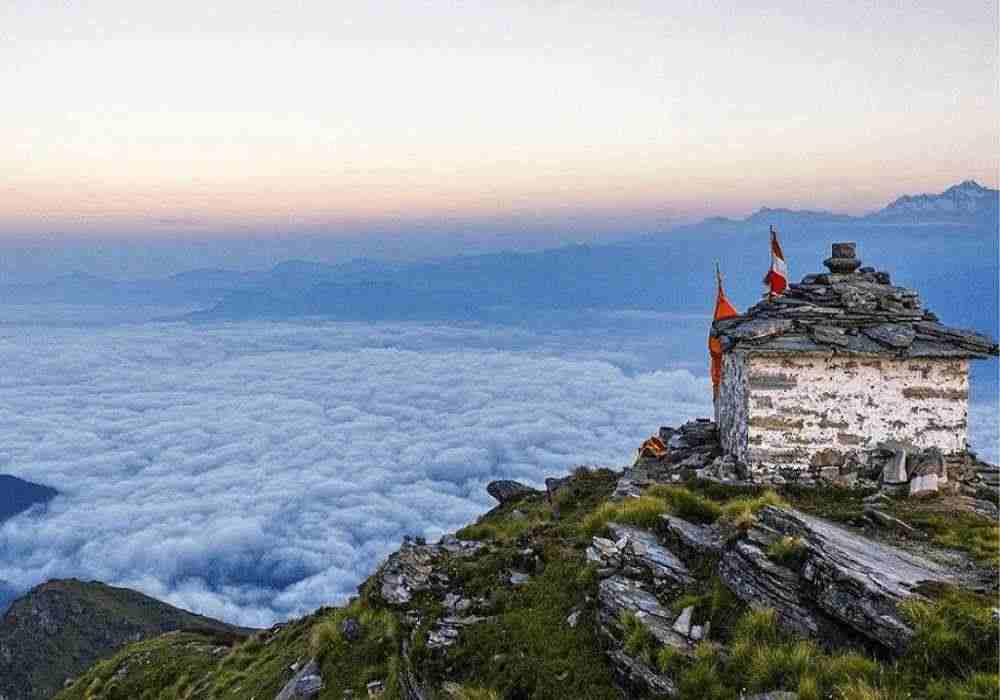
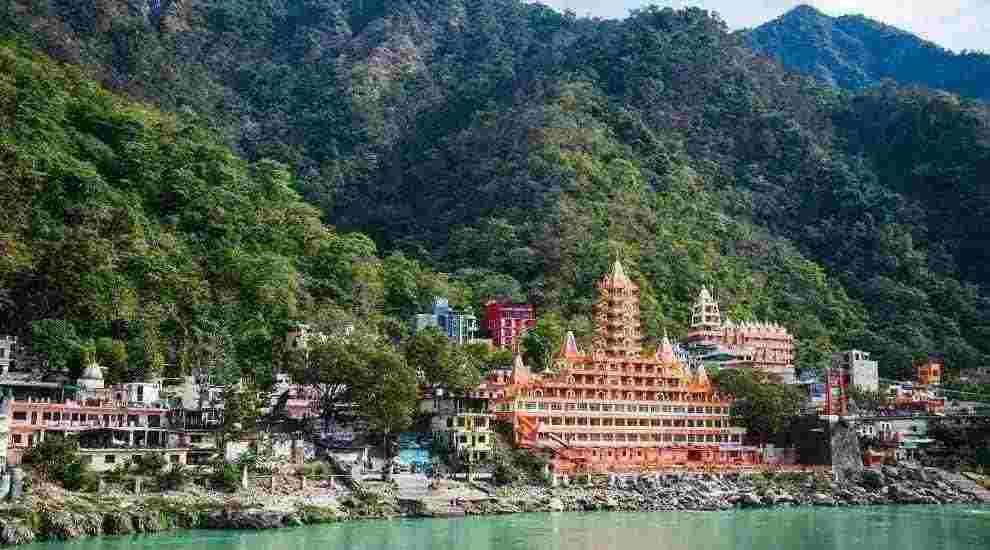
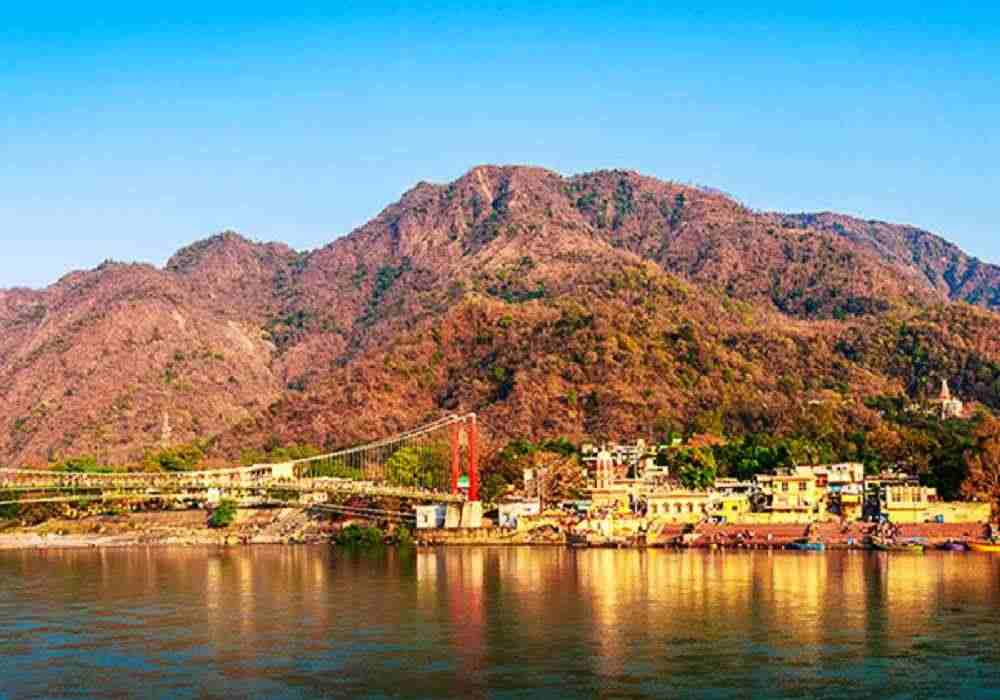
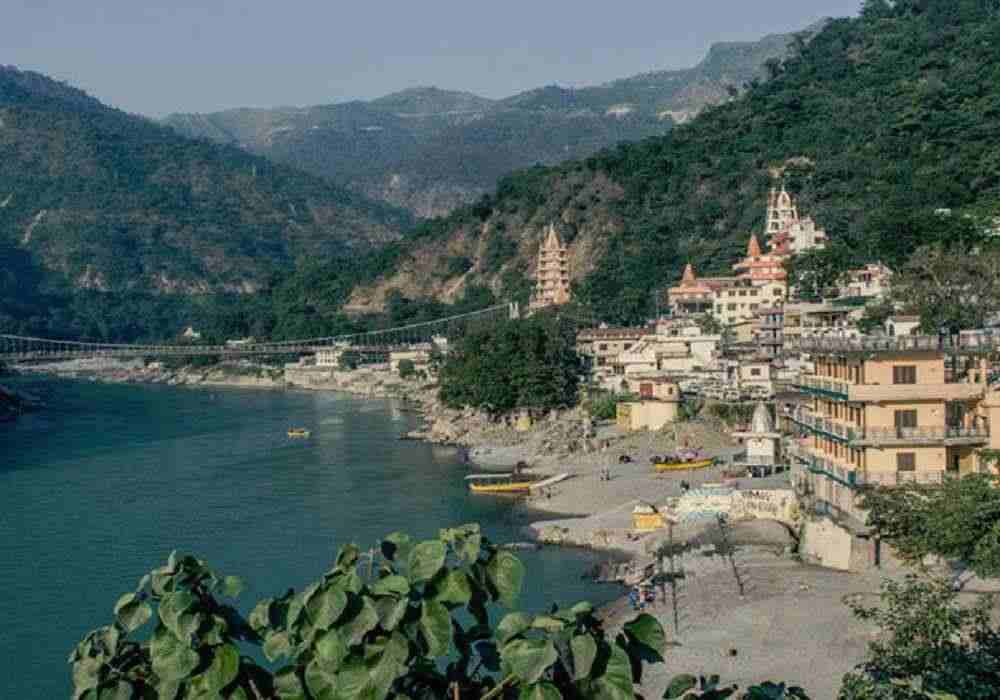
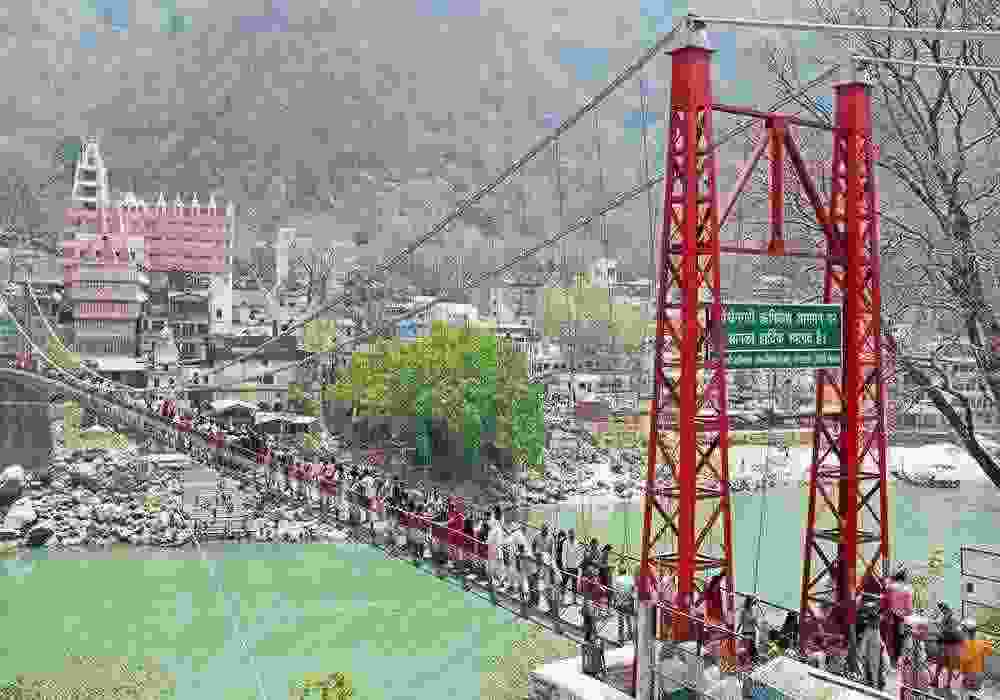
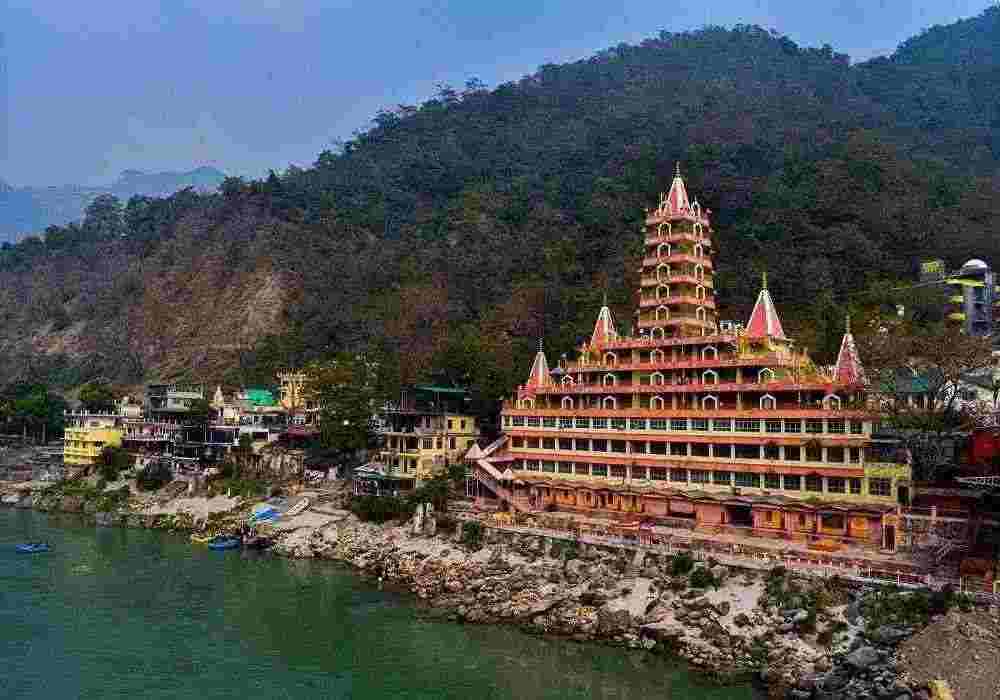
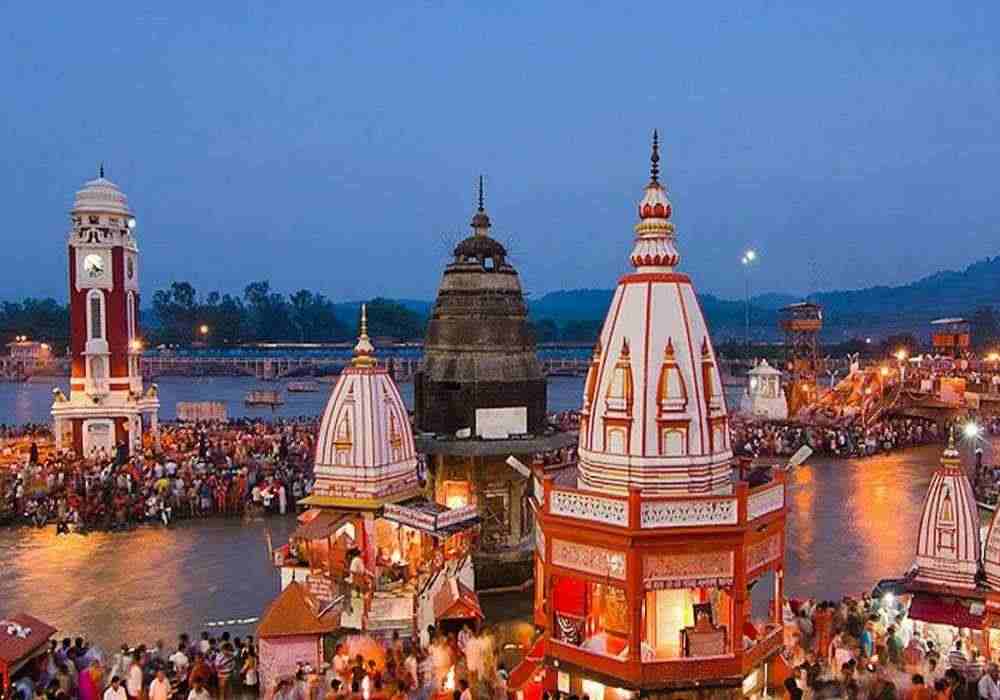
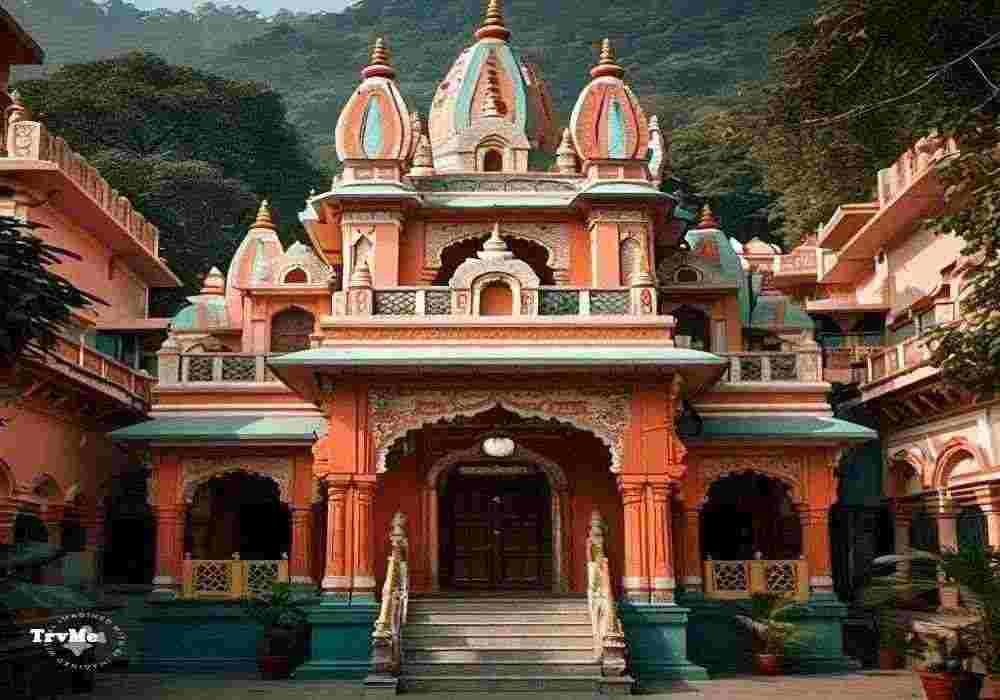
Embarking on a cultural journey, our exploration in Haridwar unfolds with visits to iconic landmarks such as the Chandi Devi and Mansa Devi temples, Bhuma Niketan, and Pawan Dham. Nestled on the Neel Parvat of the Shivalik mountain range, the Chandi Devi temple, locally recognized as a Siddha Peeth, captivates with its small yet charming presence. For an added thrill, ascend to the temple's summit via a ropeway, treating yourself to breathtaking views along the way. Dedicated to goddess Mansa Devi, the Mansa Devi temple holds profound significance, believed to have originated from the Manas (mind) of Lord Shiva. Devotees ardently trust that Mansa Devi fulfills their every desire. In Haridwar, the Bhuma Niketan Temple stands as a testament to Adi Shankaracharya's ideology, adorned with exquisitely carved, vibrant figures depicting various Hindu deities. Our pilgrimage extends to Pawan Dham, one of India's oldest temples, housing intricately carved stone and glass idols. Transitioning to -
Day 3
Rishikesh- Delhi
Experience the breathtaking Himalayan views on your journey from Rishikesh to New Delhi today. After checking in at your hotel, enjoy a leisurely day exploring local markets, picking up souvenirs, or taking a relaxing stroll. Conclude with a delightful dinner at the resort, followed by an overnight stay in New Delhi. -
Day 4
Explore Delhi's Local Wonders.
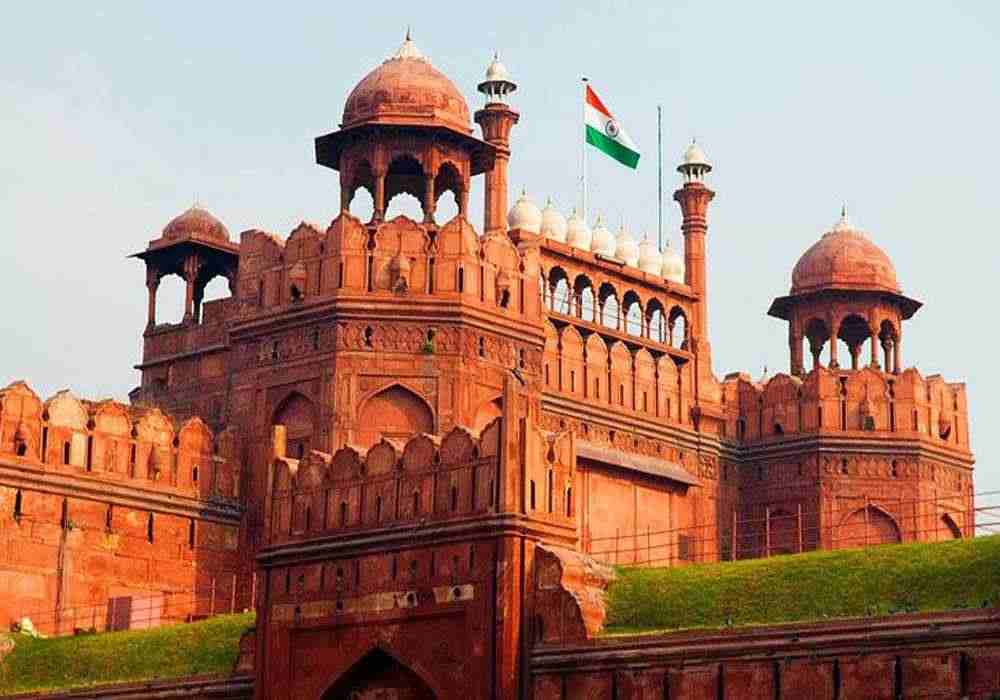
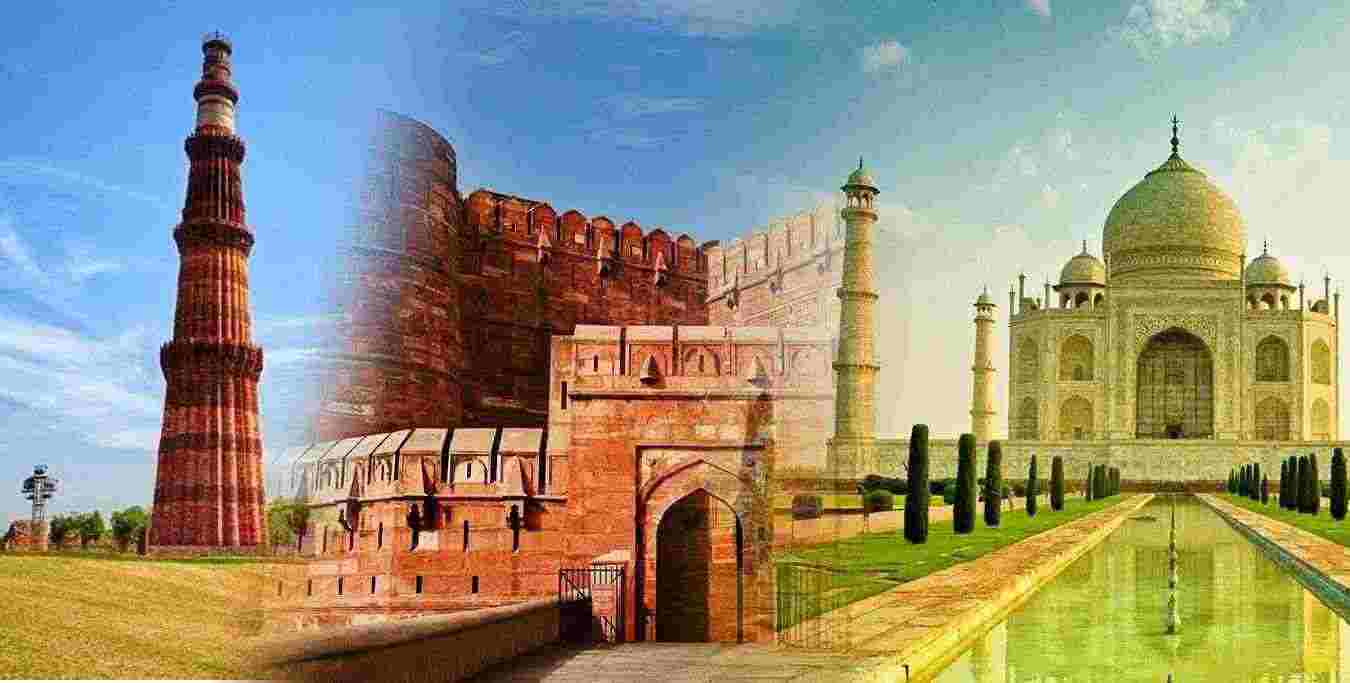
visit to the iconic Lal Quila, or the Red Fort, a true symbol of the grandeur of the Mughal Empire. Constructed in 1638 by Shah Jahan, this historic fortress witnessed the rule of numerous Mughal emperors over India. Explore its white marble hall, the Palace of Color, and the Hall of Public Audience, each narrating tales of a bygone era. Continuing our exploration, we make our way to Qutub Minar, the world's tallest brick minaret, erected by Qutbuddin Khilji and Iltutmish to commemorate the triumph of the Delhi Sultanate over Indian rulers. Our next destination is the Baha'i Temple, also known as the Lotus Temple, an architectural marvel shaped like a lotus flower. Notably, this temple embraces visitors of all religions, exemplifying unity and inclusivity. Venturing further, we encounter Humayun's Tomb, a 16th-century masterpiece believed to inspire the renowned Taj Mahal in Agra. Commissioned by Akbar, the tomb stands as a testament to Mughal architectural brilliance. At India Gate, -
Day 5
Delhi transfer to Agra
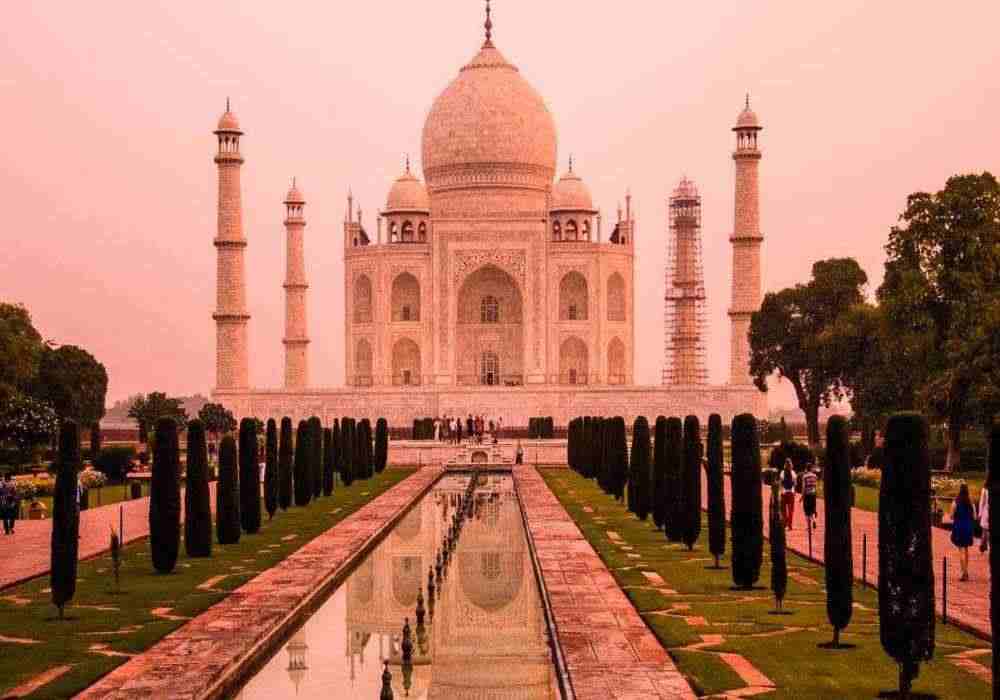
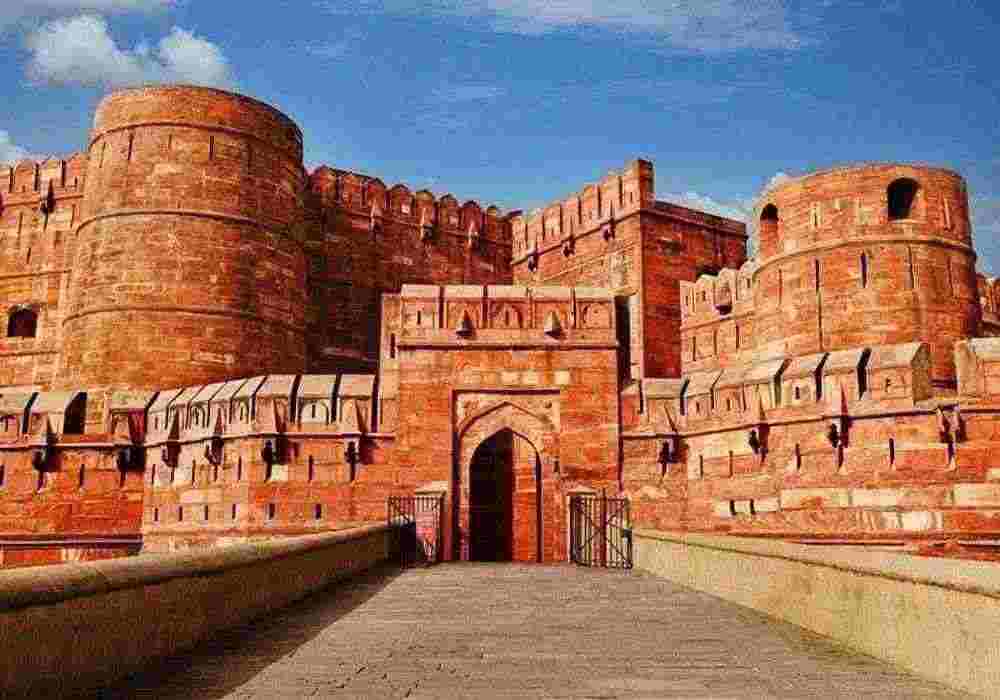
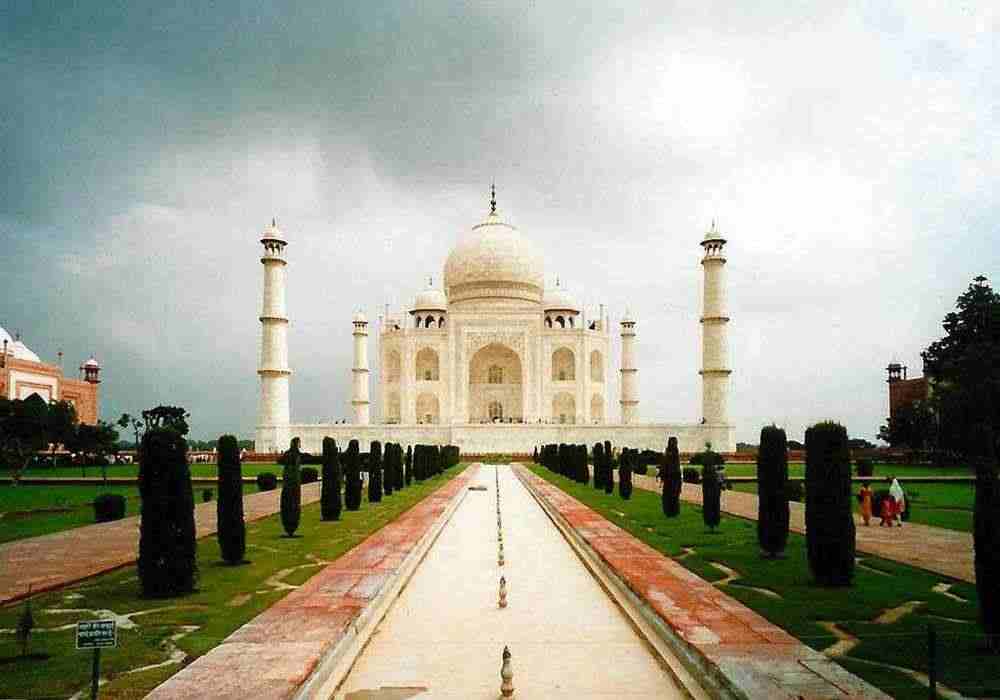
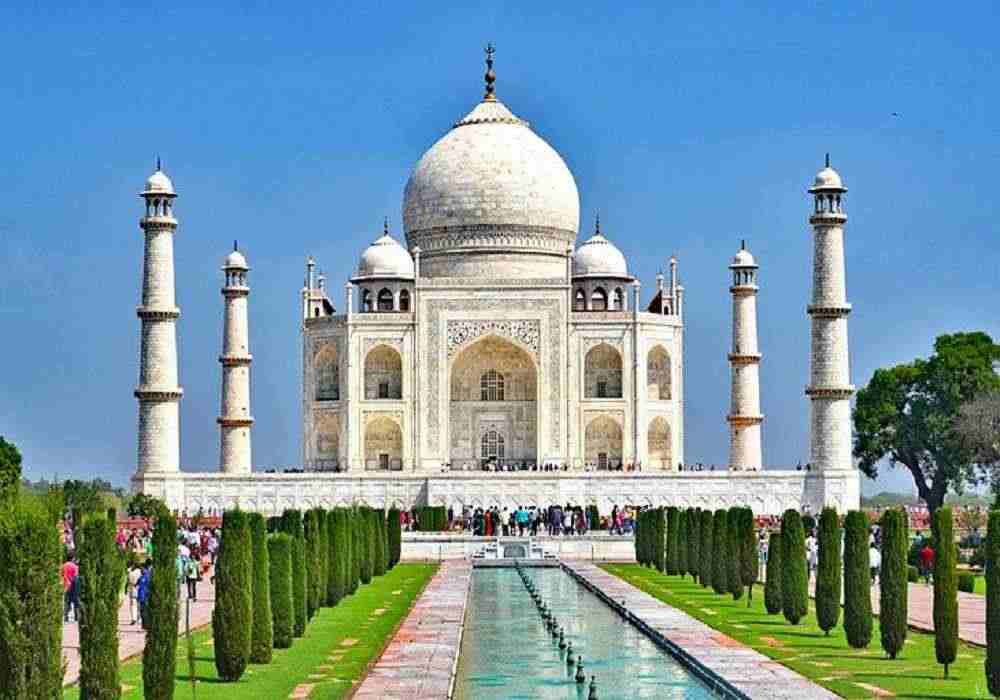
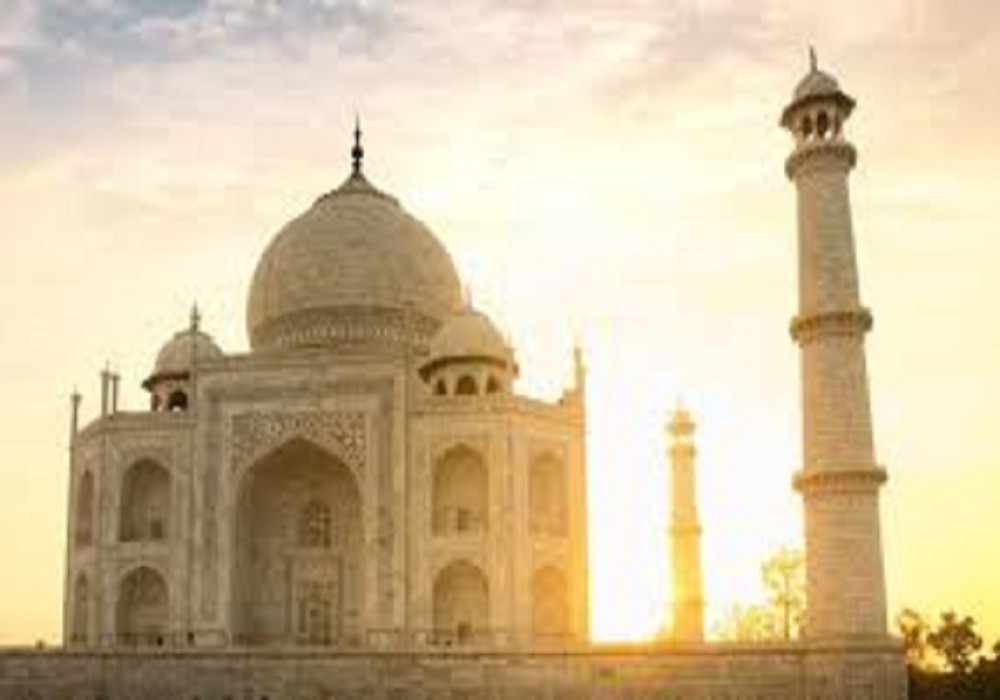
Embark on an enchanting journey through Agra, commencing with the iconic Taj Mahal, a symbol of undying love commissioned by Mughal Emperor Shahjahan in memory of his cherished wife, Mumtaz Mahal. The Taj Mahal stands as a testament to Mughal architecture, a resplendent mausoleum crafted from white marble over 22 years by countless skilled artisans. Having immersed in the ethereal ambiance of love, our exploration extends to the Agra Fort. Constructed by Emperor Akbar in 1565, this fortress showcases the Charbagh structure, featuring a four-square garden traversed by flowing rivulets. Initially a military stronghold, the Agra Fort unfolds its historical grandeur against the backdrop of the Yamuna River's gentle curve. Continuing our odyssey, we visit the exquisite tomb of Itmad Ud Daulah, affectionately known as the Baby Taj. Resembling a miniature Taj Mahal, this mausoleum epitomizes Indo-Islamic architecture and graces the Yamuna's banks. A sublime example of the domeless Mughal tomb -
Day 6
Journey: Agra to Vrindavan.
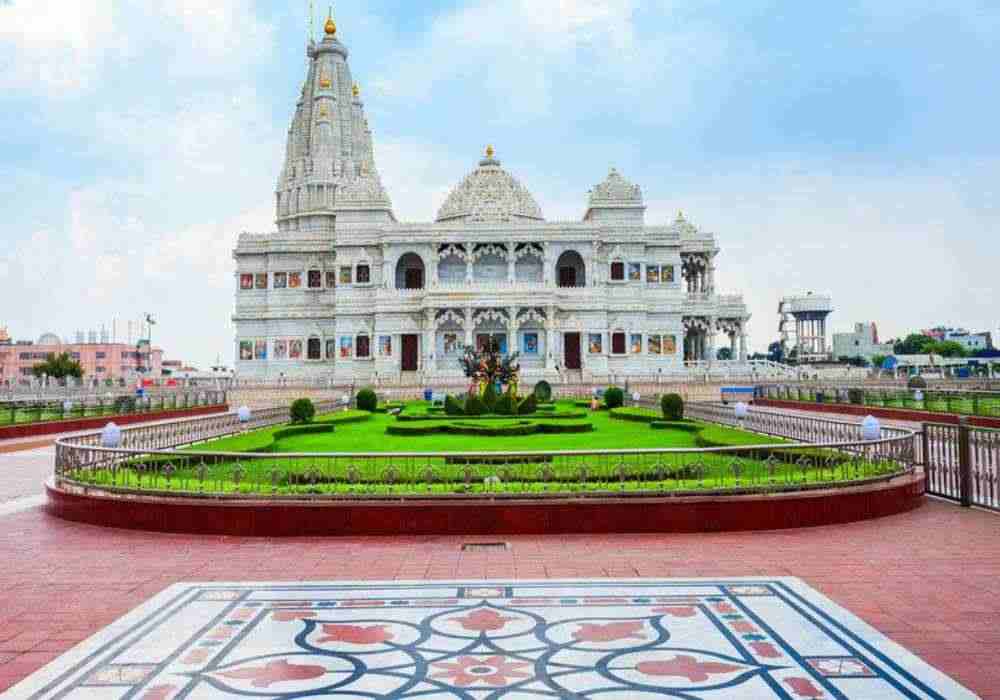
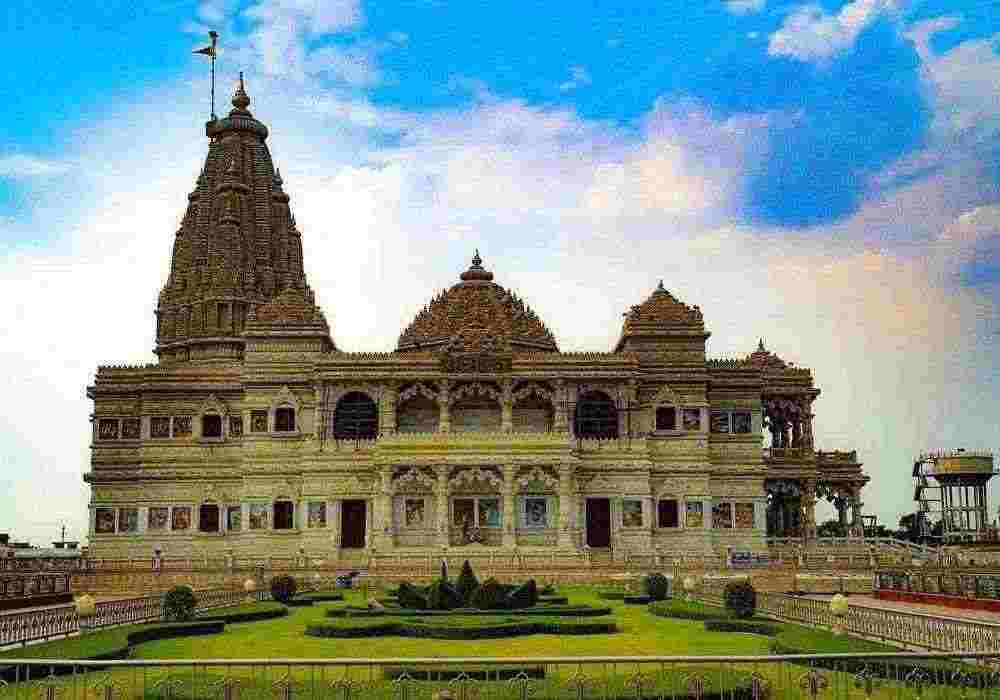
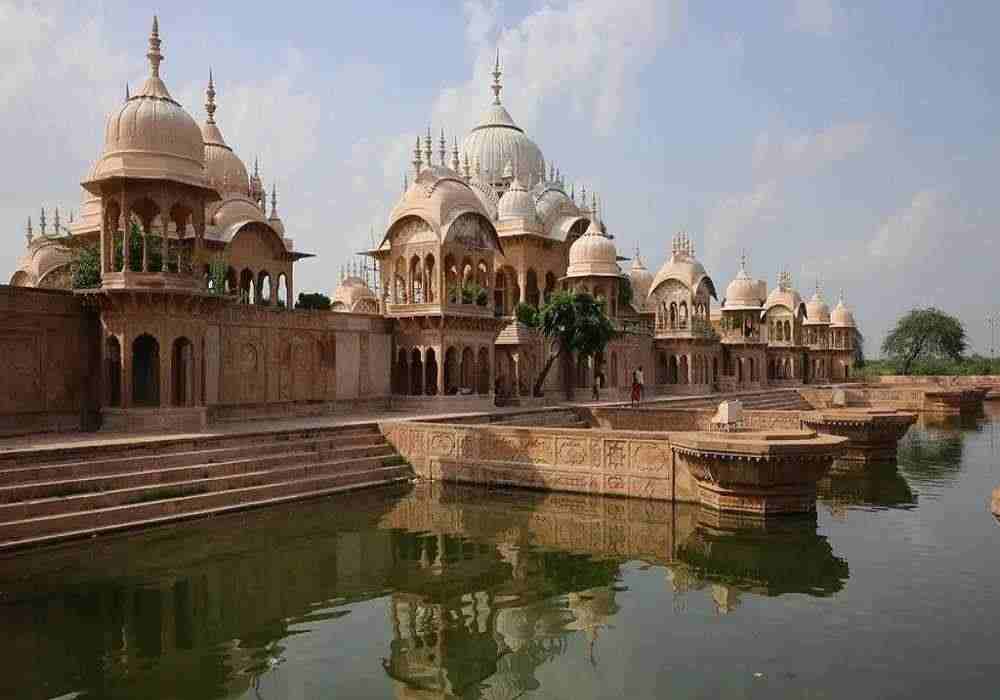
Indulge in a delightful breakfast before setting off for Vrindavan. En route, we pause in Mathura, the sacred birthplace of Lord Krishna. Our first stop is the Shri Krishna Janamasthan temple, revered as the site of Krishna's birth. Vishram Ghat, where Krishna is believed to have rested after defeating his tyrant uncle Kansa, adds to the spiritual journey. Explore other noteworthy sites in Mathura, including Shri Dwarkadhish Temple, Radha Kund, Birla Mandir, Govardhana Hill, and Kusum Sarovar. In the afternoon, we continue our pilgrimage to Vrindavan, where Lord Krishna resided with his family. Immerse yourself in devotion at the iconic Iskcon Temple, Banke Bihari Temple, and Ranga Ji Temple, letting your soul absorb the essence of Krishna bhakti.Conclude your day with an overnight stay at a Vrindavan hotel. -
Day 7
Vrindavan to Delhi, then fly to Varanasi.
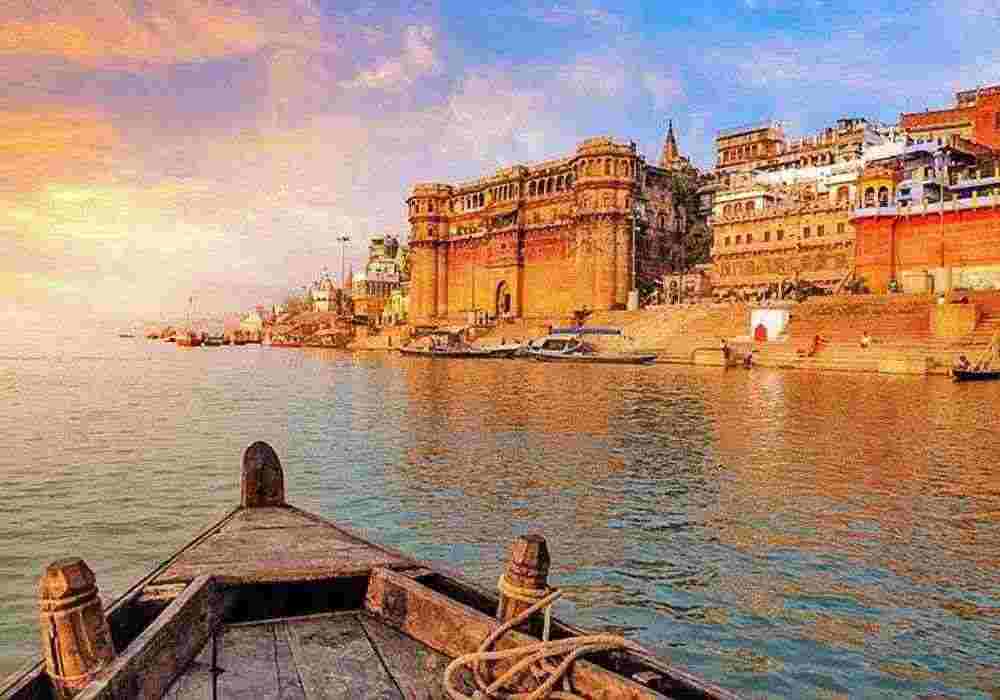
Upon your arrival at Varanasi airport, our team will assist you in hotel check-in. The remainder of the day is yours to enjoy at your own pace. Explore the captivating city streets, visit the renowned Ghats of Varanasi, and savor the evening along the scenic banks of the River Ganga. Your overnight accommodation awaits you at a comfortable Varanasi hotel. -
Day 8
Explore Varanasi Sightseeing
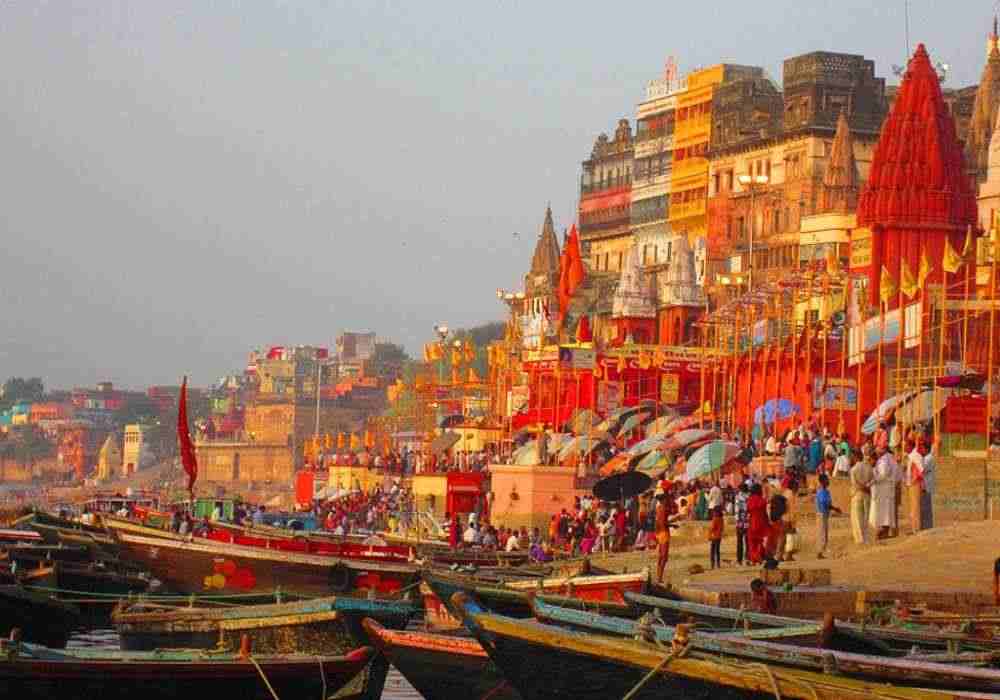
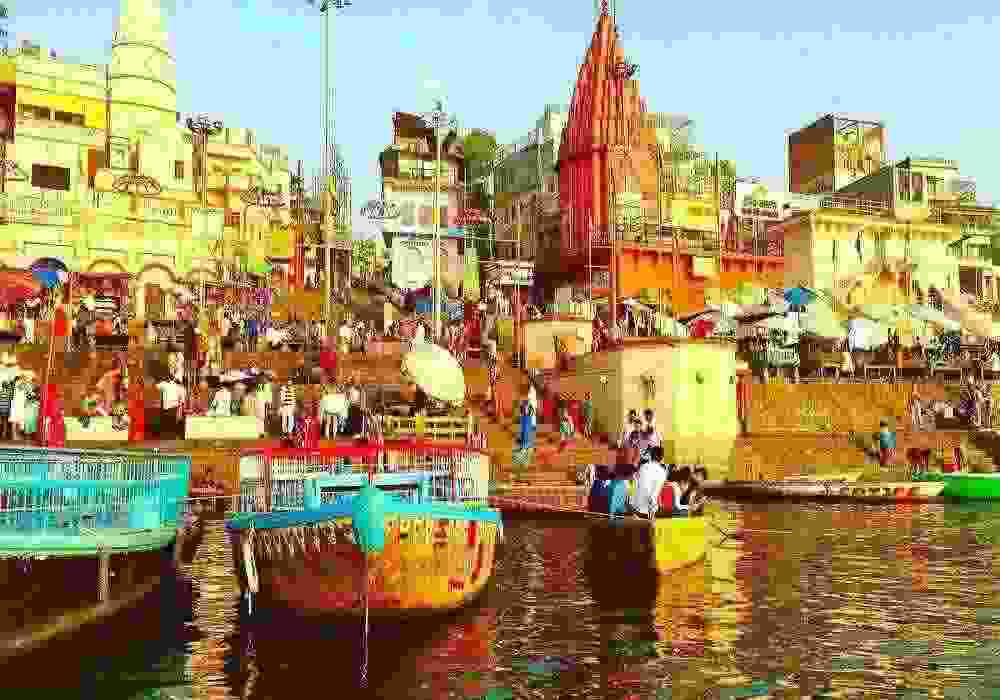
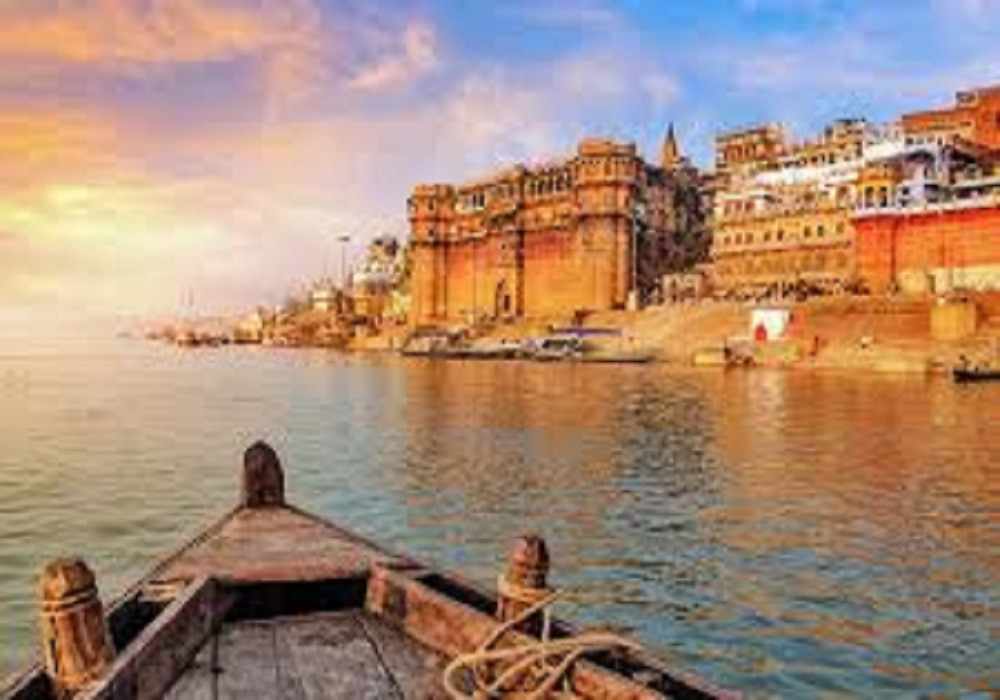
Varanasi, also known as Banaras, stands as the world's oldest living city. Following a hearty breakfast, we set out to explore this sacred destination. Hindus hold the belief that Kashi or Varanasi is the ultimate place for attaining moksha, making it ideal for cremation and final rites. Our journey begins at the renowned Brahmacharini or Tapaswini Temple, dedicated to the Tapaswini Swaroop of goddess Parvati. This Swaroop signifies her form during the quest to win Lord Shiva's heart and persuade him to marry her. Kedar Ghat, constructed by the Maharaja of Vijayanagara, houses Gaurikund, featuring an image of goddess Gauri, Lord Shiva's first wife. The sacred Kedareshwar Temple at Kedar Ghat is believed to bestow blessings equivalent to those received at the famed Kedarnath temple. We visit the Bharat Mata Mandir, inaugurated by Mahatma Gandhi, showcasing an undivided India map. Explore its remarkable architecture and significance. The Monkey Temple, officially the Durga Temple, captur -
Day 9
Varanasi Departure
As the North India temple tour concludes today, we trust you relished the experience as much as we did. Your next step is heading to Varanasi Airport, where you'll board your return flight to your respective destinations. Safe travels,
-
Day 1
-
Similar Packages in Pilgrimage Tour
-
![Haridwar Rishikesh Tour]()
Haridwar and Rishikesh
Haridwar Rishikesh Tour
3 days, 2 nights
₹7,500
-
![Varanasi Allahabad Tour]()
Varanasi
Varanasi Allahabad Tour
4 days, 3 nights
₹14,999
-
![Chardham Yatra Packages]()
Haridwar and Rishikesh
Chardham Yatra Packages
12 days, 11 nights
₹48,300
-
![Buddhist tour Package]()
Varanasi
Buddhist tour Package
10 days, 9 nights
₹33,520
-
![Rishikesh Temple Tour Package]()
Rishikesh
Rishikesh Temple Tour Package
2 days, 1 nights
₹3,600

Other Tours
-
![Haridwar Rishikesh Tour]()
Haridwar and Rishikesh
Haridwar Rishikesh Tour
3 days, 2 nights
₹7,500
-
![Rishikesh Rafting Package]()
Rishikesh
Rishikesh Rafting Package
2 days, 1 nights
₹2,500
-
![Chopta Tungnath Chandrashila trek with Deoria tal]()
Haridwar
Chopta Tungnath Chandrashila trek with Deoria tal
4 days, 3 nights
₹10,500
-
![Dayara Bugyal Trek]()
Haridwar
Dayara Bugyal Trek
6 days, 5 nights
₹10,900
-
![Varanasi Allahabad Tour]()
Varanasi
Varanasi Allahabad Tour
4 days, 3 nights
₹14,999
-
![Rishikesh Corporate Tour]()
Rishikesh
Rishikesh Corporate Tour
2 days, 1 nights
₹3,500
-
![Rishikesh Honeymoon Package]()
Rishikesh
Rishikesh Honeymoon Package
2 days, 1 nights
₹3,600
-
![Chardham Yatra Packages]()
Haridwar and Rishikesh
Chardham Yatra Packages
12 days, 11 nights
₹48,300
-
![Delhi Agra Manali Tour]()
Agra
Delhi Agra Manali Tour
8 days, 7 nights
₹14,800
-
![Rishikesh Destination Wedding Venue]()
Rishikesh
Rishikesh Destination Wedding Venue
2 days, 1 nights
₹3,200,000
-
![Varanasi Destination Wedding Venue]()
Varanasi
Varanasi Destination Wedding Venue
2 days, 1 nights
₹2,900,000
-
![Haridwar Group Tour]()
Haridwar
Haridwar Group Tour
2 days, 1 nights
₹3,400
-
![Vrindavan Group Tour]()
Vrindavan
Vrindavan Group Tour
2 days, 1 nights
₹2,900
-
![Vrindavan Honeymoon Package]()
Vrindavan
Vrindavan Honeymoon Package
2 days, 1 nights
₹2,900
-
![Rishikesh New Year Package]()
Rishikesh
Rishikesh New Year Package
3 days, 2 nights
₹20,000
-
![Varanasi School Tour]()
Varanasi
Varanasi School Tour
3 days, 2 nights
₹3,200
-
![Agra School Tour Package]()
Agra
Agra School Tour Package
3 days, 2 nights
₹3,700
-
![Agra New Year Package]()
Agra
Agra New Year Package
3 days, 2 nights
₹17,000
-
![Vrindavan Corporate Tour]()
Vrindavan
Vrindavan Corporate Tour
2 days, 1 nights
₹2,900
-
![Haridwar Corporate Tour]()
Haridwar
Haridwar Corporate Tour
2 days, 1 nights
₹3,700
-
![Varanasi Corporate Tour]()
Varanasi
Varanasi Corporate Tour
2 days, 1 nights
₹3,500
-
![Agra Corporate Tour]()
Agra
Agra Corporate Tour
2 days, 1 nights
₹3,400
-
![Varanasi Honeymoon Package]()
Varanasi
Varanasi Honeymoon Package
2 days, 1 nights
₹2,900
-
![Agra Honeymoon Package]()
Agra
Agra Honeymoon Package
4 days, 3 nights
₹13,400
-
![Vrindavan Destination Wedding]()
Vrindavan
Vrindavan Destination Wedding
2 days, 1 nights
₹2,600,000
-
![Haridwar Destination Wedding]()
Haridwar
Haridwar Destination Wedding
2 days, 1 nights
₹2,900,000
-
![Agra Destination Wedding]()
Agra
Agra Destination Wedding
2 days, 1 nights
₹2,900,000
-
![Vrindavan School Tour]()
Vrindavan
Vrindavan School Tour
2 days, 1 nights
₹2,800
-
![Golden Tringle Tour with Gwalior Orchha Khajuraho Varanasi Packages]()
Varanasi and Agra
Golden Tringle Tour with Gwalior Orchha Khajuraho Varanasi Packages
9 days, 8 nights
₹46,399
-
![Golden Triangle, Delhi Jaipur Agra Tour Packages]()
Agra
Golden Triangle, Delhi Jaipur Agra Tour Packages
6 days, 5 nights
₹26,000
-
![Golden Tringle Tour with Sariska Jaipur Bharatpur Agra Delhi Packages]()
Agra
Golden Tringle Tour with Sariska Jaipur Bharatpur Agra Delhi Packages
8 days, 7 nights
₹31,399
-
![Rajasthan Forts and Palaces Tour]()
Agra
Rajasthan Forts and Palaces Tour
19 days, 18 nights
₹73,399
-
![Delhi Agra Ranthambhore Jaipur Pushkar Udaipur Delhi]()
Agra
Delhi Agra Ranthambhore Jaipur Pushkar Udaipur Delhi
9 days, 8 nights
₹30,399
-
![Buddhist tour Package]()
Varanasi
Buddhist tour Package
10 days, 9 nights
₹33,520
-
![Regal Journey Maharajas Express Unveiling the Heritage of India]()
Agra
Regal Journey Maharajas Express Unveiling the Heritage of India
7 days, 6 nights
₹63,499
-
![Rishikesh Temple Tour Package]()
Rishikesh
Rishikesh Temple Tour Package
2 days, 1 nights
₹3,600
-
![Rishikesh Adventure Tour Package]()
Rishikesh
Rishikesh Adventure Tour Package
2 days, 1 nights
₹4,500
-
![Rishikesh Weekend Tour Packages]()
Rishikesh
Rishikesh Weekend Tour Packages
2 days, 1 nights
₹3,800
-
![Rishikesh Beach Tour Package]()
Rishikesh
Rishikesh Beach Tour Package
2 days, 1 nights
₹4,800
-
![Rishikesh Wildlife Tour Package]()
Rishikesh
Rishikesh Wildlife Tour Package
2 days, 1 nights
₹3,600
-
![Rishikesh Safari Tour Package]()
Rishikesh
Rishikesh Safari Tour Package
2 days, 1 nights
₹4,700
-
![Rishikesh Group Tour Package]()
Rishikesh
Rishikesh Group Tour Package
2 days, 1 nights
₹3,500
-
![Rishikesh School Tour Package]()
Rishikesh
Rishikesh School Tour Package
2 days, 1 nights
₹2,800
-
![Rishikesh Monsoon Tour Package]()
Rishikesh
Rishikesh Monsoon Tour Package
2 days, 1 nights
₹3,600
-
![Rishikesh Christmas Package]()
Rishikesh
Rishikesh Christmas Package
2 days, 1 nights
₹8,500
-
![Rishikesh Economy Tour Packages]()
Rishikesh
Rishikesh Economy Tour Packages
2 days, 1 nights
₹3,700
-
![Rishikesh Luxury Tour Package]()
Rishikesh
Rishikesh Luxury Tour Package
2 days, 1 nights
₹6,500
-
![Rishikesh Winter Tour Package]()
Rishikesh
Rishikesh Winter Tour Package
2 days, 1 nights
₹3,900
-
![Rishikesh Summer Package]()
Rishikesh
Rishikesh Summer Package
2 days, 1 nights
₹4,200
-
![Rishikesh Incentive Package]()
Rishikesh
Rishikesh Incentive Package
2 days, 1 nights
₹3,200
-
![Rishikesh Yoga Tour Package]()
Rishikesh
Rishikesh Yoga Tour Package
2 days, 1 nights
₹4,900
-
![Varanasi Group Tour Package]()
Varanasi
Varanasi Group Tour Package
2 days, 1 nights
₹4,300
-
![Agra Group Tour Package]()
Agra
Agra Group Tour Package
2 days, 1 nights
₹4,600
-
![Haridwar Monsoon Package]()
Haridwar
Haridwar Monsoon Package
2 days, 1 nights
₹1,850
-
![Agra Monsoon Package]()
Agra
Agra Monsoon Package
2 days, 1 nights
₹1,630
-
![Varanasi Monsoon Package]()
Varanasi
Varanasi Monsoon Package
2 days, 1 nights
₹1,750
-
![Vrindavan Monsoon Package]()
Vrindavan
Vrindavan Monsoon Package
2 days, 1 nights
₹1,450
-
![Haridwar Weekend Pacakge]()
Haridwar
Haridwar Weekend Pacakge
2 days, 1 nights
₹4,700
-
![Agra Weekend Package]()
Agra
Agra Weekend Package
2 days, 1 nights
₹3,900
-
![Varanasi Weekend Package]()
Varanasi
Varanasi Weekend Package
2 days, 1 nights
₹3,800
-
![Vrindavan Weekend Package]()
Vrindavan
Vrindavan Weekend Package
2 days, 1 nights
₹3,800
-
![Rishikesh Holi Package]()
Rishikesh
Rishikesh Holi Package
2 days, 1 nights
₹4,600
-
![Rishikesh Diwali Package]()
Rishikesh
Rishikesh Diwali Package
2 days, 1 nights
₹4,000
-
![Rishikesh Independence Day]()
Rishikesh
Rishikesh Independence Day
2 days, 1 nights
₹4,500
-
![Rishikesh 2nd October Package]()
Rishikesh
Rishikesh 2nd October Package
2 days, 1 nights
₹5,499
-
![Rishikesh Durga Puja Dussehra Package]()
Rishikesh
Rishikesh Durga Puja Dussehra Package
2 days, 1 nights
₹4,600
-
![Rishikesh Rakhi Package]()
Rishikesh
Rishikesh Rakhi Package
2 days, 1 nights
₹4,000
-
![Rishikesh Good Friday Package]()
Rishikesh
Rishikesh Good Friday Package
2 days, 1 nights
₹3,000
-
![Rishikesh Teej Package]()
Rishikesh
Rishikesh Teej Package
2 days, 1 nights
₹3,500
-
![Rishikesh Valentine's Day Package]()
Rishikesh
Rishikesh Valentine's Day Package
2 days, 1 nights
₹3,000
-
![Rishikesh Lohri Package]()
Rishikesh
Rishikesh Lohri Package
2 days, 1 nights
₹3,100
-
![Rishikesh Republic Day Package]()
Rishikesh
Rishikesh Republic Day Package
2 days, 1 nights
₹3,400
-
![Rishikesh Birthday Party Package]()
Rishikesh
Rishikesh Birthday Party Package
2 days, 1 nights
₹3,500
-
![Rishikesh Anniversary Package]()
Rishikesh
Rishikesh Anniversary Package
2 days, 1 nights
₹3,000
-
![Rishikesh Family Package]()
Rishikesh
Rishikesh Family Package
2 days, 1 nights
₹3,200
-
![Rishikesh Friends Tour Package]()
Rishikesh
Rishikesh Friends Tour Package
2 days, 1 nights
₹3,000
-
![Haridwar School Tour]()
Haridwar
Haridwar School Tour
2 days, 1 nights
₹3,500
-
![Varanasi New Year Package]()
Varanasi
Varanasi New Year Package
2 days, 1 nights
₹2,100
-
![Haridwar Friends Tour Package]()
Haridwar
Haridwar Friends Tour Package
2 days, 1 nights
₹2,100
-
![Haridwar Birthday Party Package]()
Haridwar
Haridwar Birthday Party Package
2 days, 1 nights
₹4,800
-
![Haridwar Holi Package]()
Haridwar
Haridwar Holi Package
2 days, 1 nights
₹3,600
-
![Agra Holi Package]()
Agra
Agra Holi Package
2 days, 1 nights
₹3,900
-
![Varanasi Holi Package]()
Varanasi
Varanasi Holi Package
2 days, 1 nights
₹3,400
-
![Vrindavan Holi Package]()
Vrindavan
Vrindavan Holi Package
2 days, 1 nights
₹4,400
-
![River Rafting In Rishikesh]()
Rishikesh
River Rafting In Rishikesh
2 days, 1 nights
₹2,600
-
Haridwar
Dealer's Meet in Haridwar
2 days, 1 nights
₹3,456
-
Vrindavan
Dealer's Meet in Vrindavan
2 days, 1 nights
₹5,465
-
Varanasi
Dealer's Meet in Varanasi
2 days, 1 nights
₹4,545
-
Agra
Dealer's Meet in Agra
2 days, 1 nights
₹4,566
-
![Dealer's Meet in Rishikesh]()
Rishikesh
Dealer's Meet in Rishikesh
2 days, 1 nights
₹3,475
-
![Delhi to Haridwar Trip Package]()
Haridwar
Delhi to Haridwar Trip Package
3 days, 2 nights
₹14,999
-
![Delhi to Rishikesh Tour Package]()
Rishikesh
Delhi to Rishikesh Tour Package
3 days, 2 nights
₹19,999
-
![Agra to Goa Tour Package]()
Agra
Agra to Goa Tour Package
5 days, 4 nights
₹25,999